
Aftercare Teeth Whitening: What to Do After Whitening for Longer-Lasting Results
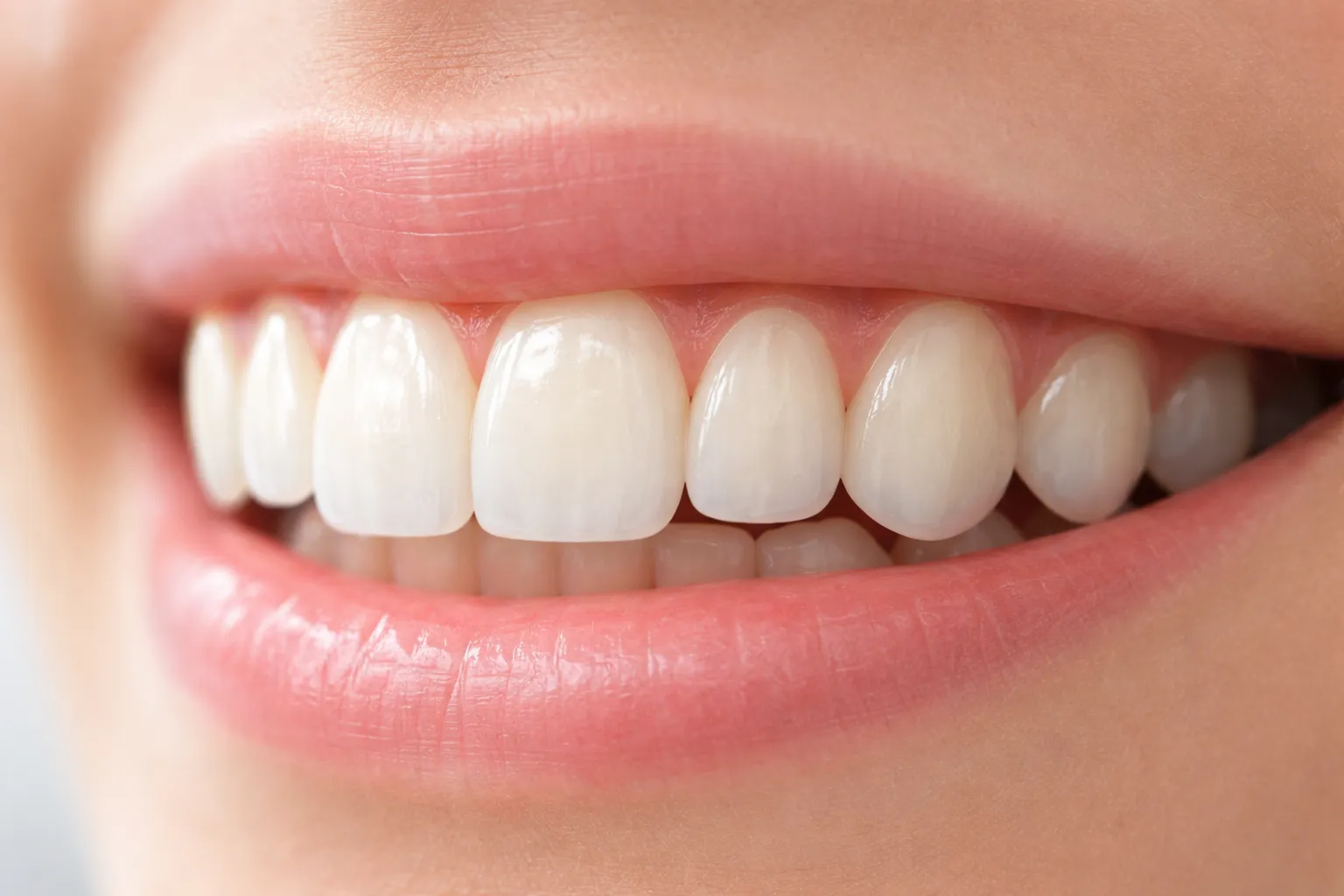
Teeth whitening can make a real difference to your smile, but what happens afterwards plays a big role in how long those results last. The first couple of days are often the most important period for protecting results and minimising sensitivity. This is when teeth can be more reactive and also more likely to pick up stains if normal habits return too quickly.
Teeth whitening aftercare is straightforward, but timing matters. The goal is to protect the colour achieved, keep enamel comfortable, and avoid common mistakes that can shorten the life of whitening.
Why aftercare matters after teeth whitening
Whitening works by using peroxide-based ingredients to lighten the colour of teeth. That process can temporarily make teeth feel more reactive to temperature changes, especially cold drinks and cold air.
Sensitivity after whitening is a known side effect, and research has shown that bleaching can increase tooth sensitivity in some patients, particularly in the short term. This is discussed in clinical evidence on tooth bleaching and sensitivity.
In many cases, sensitivity settles quickly with the right routine. Small changes can help reduce discomfort and support more stable results, especially during the first couple of days.
The first 48 hours after whitening
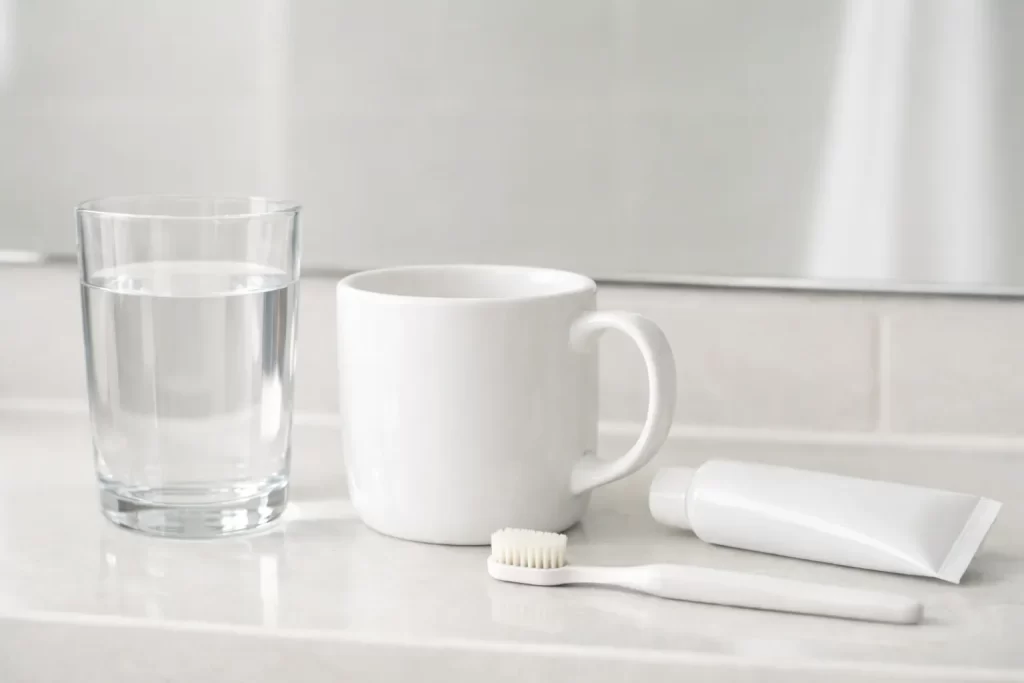
If there’s one time period to take seriously, it’s the first 48 hours. This is when teeth are most likely to react to stains and sensitivity triggers.
What to do straight away
- Drink water regularly, and rinse after meals
- Keep meals simple and low in colour
- Brush gently with a soft toothbrush
- Choose lukewarm foods if cold triggers sensitivity
- If teeth feel reactive, limiting highly acidic foods and drinks may help reduce discomfort
What to avoid in the first 48 hours
The aim is to reduce stain exposure while the teeth settle.
Try to avoid:
- coffee and black tea
- red wine
- cola and dark soft drinks
- curry, turmeric, paprika-heavy meals
- tomato-based sauces
- soy sauce and dark marinades
- berries and dark fruit juices
- tobacco use
If something staining is consumed, rinsing with water afterwards is a simple habit that can help reduce pigment contact.
The “white diet” without overthinking it
A “white diet” doesn’t need to be extreme. The concept is simply choosing foods that are less likely to leave pigment behind while teeth stabilise after whitening.
Easy low-stain food options
- chicken, turkey, tofu
- eggs
- rice and pasta with light sauces
- yoghurt, oats
- bananas, peeled apples, pears
- potatoes, cauliflower
- milk and water
Quick comparison table: safer choices vs higher-risk choices
| Better choices right after whitening | Higher-risk staining choices |
| water, milk | coffee, black tea, cola |
| yoghurt, oats | berries, dark juices |
| chicken, tofu, eggs | curry, turmeric-heavy meals |
| rice, pasta with light sauces | tomato sauces, soy sauce |
| bananas, peeled apples | beetroot, red grapes |
| potatoes, cauliflower | balsamic dressings, dark marinades |
This approach focuses on lowering stain exposure without overly restricting food choices. It also helps reduce frustration, because a short period of care can protect the result for longer.
Managing sensitivity after whitening
Sensitivity is one of the main reasons people feel unsure after whitening. The sensation can range from mild to sharp, and it’s usually triggered by cold.
Research looking at whitening protocols has reported that bleaching agents can cause temporary surface changes and sensitivity. A clinical overview discussing this effect is available in research on in-office bleaching outcomes.
What helps sensitivity settle faster
- Use a toothpaste designed for sensitive teeth for several days
- Avoid icy drinks and very cold foods temporarily
- Keep brushing gentle, especially around the gumline
- Avoid stacking whitening products (more is not better)
- Reduce acidic snacks if sensitivity is flaring up
What to avoid doing
- Whitening again straight away because the shade feels like it “didn’t hold”
- Scrubbing harder because teeth feel smoother than usual
- Switching to abrasive toothpastes or charcoal products
Mild sensitivity to cold is common for a short period after whitening. Sensitivity that is sharp, worsening, or isolated to one tooth is worth assessing, as it may not be caused by whitening alone.
Brushing and flossing after whitening
Whitening does not replace daily hygiene. A consistent home routine is what helps keep stains from rebuilding on the surface.
A simple daily routine that protects whitening results
- Brush twice daily with a soft toothbrush
- Floss once daily to remove plaque between teeth
- Avoid abrasive whitening toothpastes for the first few days
- Consider waiting about 30 minutes after acidic foods before brushing
That last point matters because enamel can be more vulnerable immediately after acid exposure, and brushing straight away can increase wear.
Keeping whitening results for longer
After the first two days, normal eating can return. Long-term maintenance comes down to patterns, not perfection.
Habits that protect colour
- Have coffee or tea with meals instead of sipping all day
- Rinse with water after staining drinks
- Use a straw for iced coffee or coloured drinks when practical
- Keep up regular professional cleans
- Be mindful of tobacco, as it stains quickly and repeatedly
Sipping staining drinks over long periods tends to be more problematic than having them with meals, because it increases the time pigments stay in contact with the tooth surface. This is one of the easiest habits to adjust without feeling like everything has to change.
If staining foods and drinks are a regular part of the diet, this guide on foods that stain teeth is a useful reference for what to watch for.
Common mistakes that undo whitening
These are the most common aftercare issues that shorten whitening longevity or increase discomfort:
- Going straight back to coffee the next morning
- Drinking staining beverages slowly over hours
- Brushing too hard because teeth feel “different”
- Using multiple whitening products at once
- Skipping flossing, which allows stains to build up between teeth
Whitening results can stay more consistent when daily habits reduce surface stain build-up. It’s not about being perfect; it’s about reducing the repeated exposures that gradually dull the brightness.
What about drinks like coffee, tea, and red wine?
These are some of the most common staining triggers. They’re not “forbidden forever”, but timing and frequency matter.
Research suggests that exposure to strongly pigmented drinks after bleaching can influence tooth colour stability, including findings from spectrophotometric research on drinks affecting tooth colour after bleaching. This helps explain why short-term stain reduction is often recommended as part of whitening aftercare.
A simple approach is:
- reduce staining drinks for the first 48 hours
- avoid sipping over long periods
- rinse with water afterwards
This can also help reduce uneven staining, where the front teeth may pick up pigment more quickly than expected.
Where professional whitening fits, and why aftercare is easier
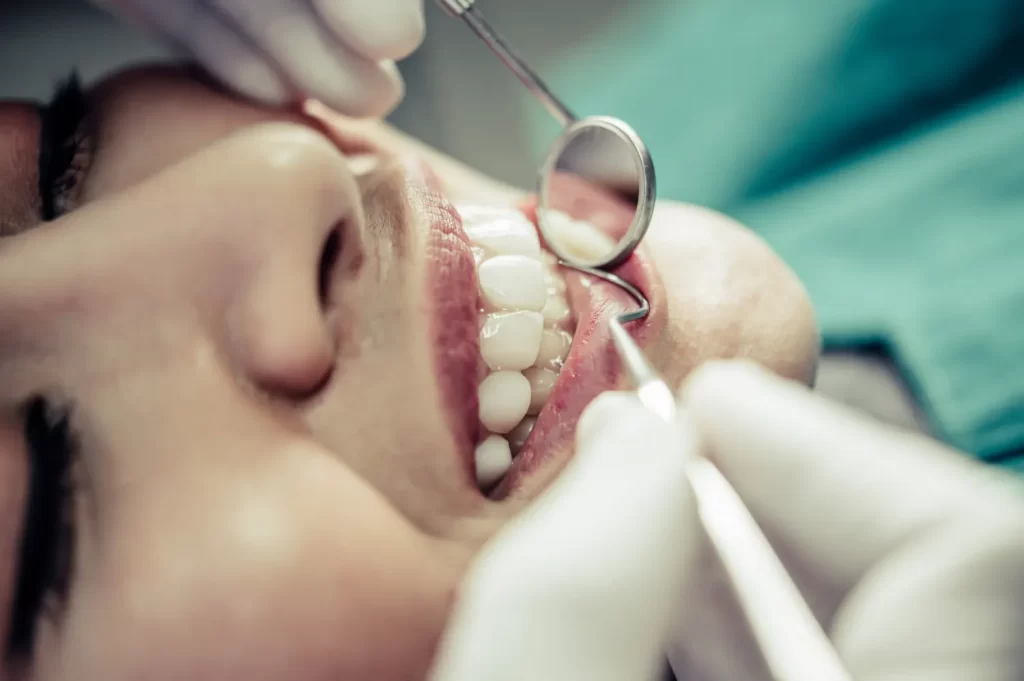
Aftercare is easier when whitening is planned around enamel condition, sensitivity risk, and existing dental work. Professional whitening also helps set realistic expectations, especially if restorations like fillings or crowns are present. These materials do not whiten the same way natural enamel does, which is why a “one shade fits all” approach can lead to disappointment.
For patients considering treatment, professional teeth whitening provides a structured approach that balances results with comfort and long-term maintenance.
If there are questions about suitability, sensitivity, or the best way to protect results, booking a consultation through our contact page is the simplest next step.
Key takeaway
Teeth whitening aftercare is about protecting results in the first 48 hours, keeping sensitivity under control, and avoiding the habits that bring stains back quickly. Stick to low-stain choices early on, be gentle with brushing, and avoid overusing whitening products. With the right routine, whitening results can stay brighter for longer and feel far more comfortable.
This information is general in nature and does not replace an individual dental assessment.