
Teeth Whitening Options for Sensitive Teeth: Safe Choices That Work
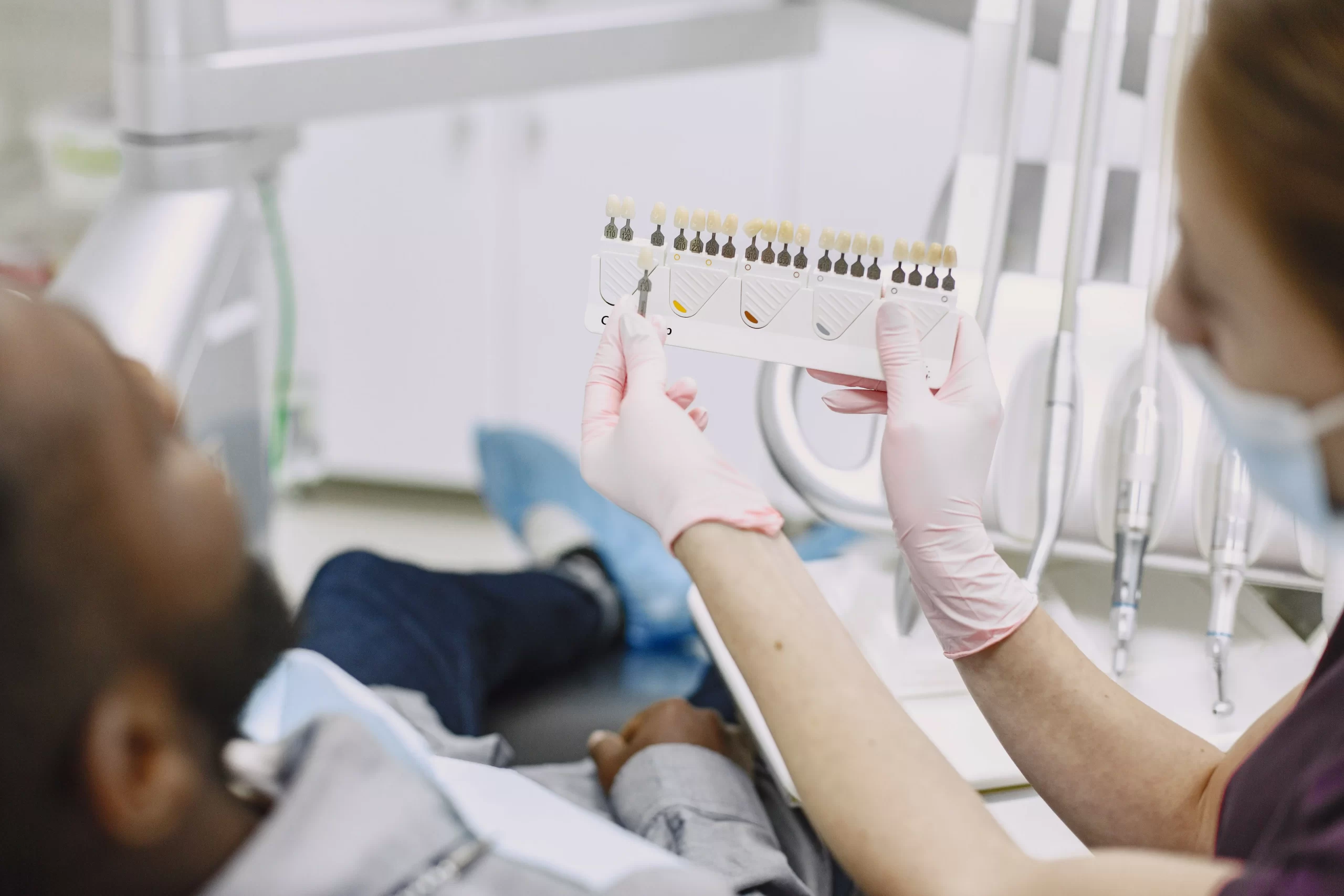
If you have been searching for teeth whitening options for sensitive teeth, the first thing to know is this: sensitivity does not automatically mean whitening is impossible, but it does mean a dental assessment is important before starting.
Whitening should not be about chasing the brightest possible shade at any cost. For sensitive teeth, the better goal is a fresher-looking smile while keeping sensitivity and gum irritation risks in mind.
At our practice, we look at the cause of sensitivity before we look at shade. That means checking your enamel, gums, existing dental work, and the type of staining present first.
Why Teeth Can Feel Sensitive During Whitening
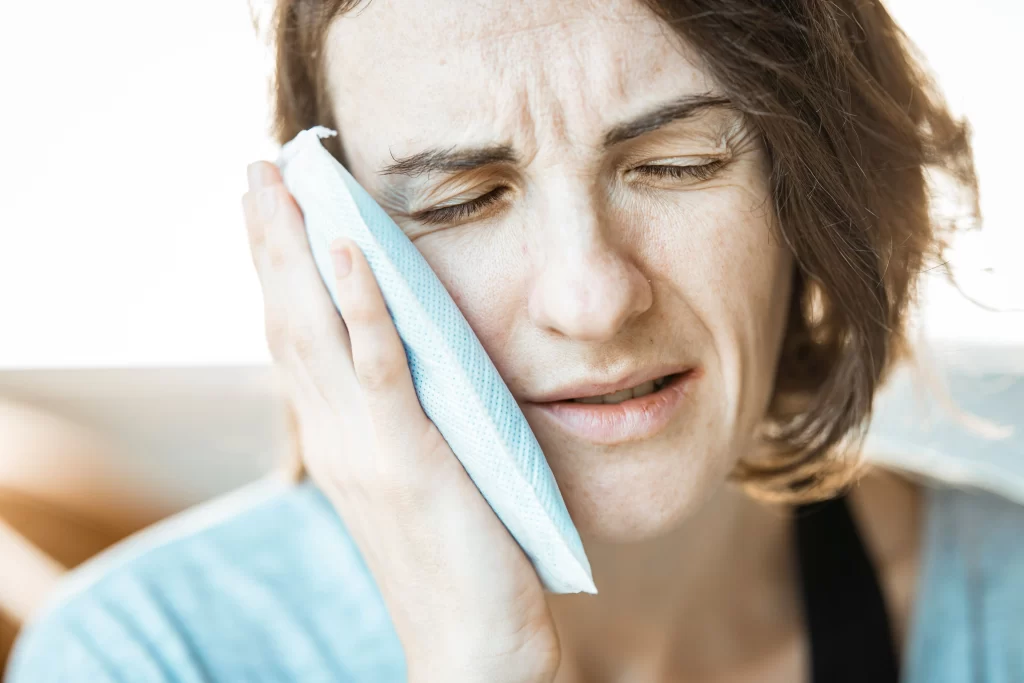
Tooth sensitivity often happens when dentine, the layer beneath the enamel, becomes more exposed or reactive. This may be linked to enamel wear, gum recession, cracks, cavities, heavy brushing, or recent dental treatment.
Whitening products usually use peroxide-based ingredients to lighten stains within natural tooth enamel. Some people feel temporary sensitivity during whitening, especially with cold drinks, cold air, or sweet foods.
That does not automatically mean whitening has harmed your teeth. It does mean your plan should be assessed or adjusted rather than pushed through.
When Whitening May Not Be the First Step
Before whitening, we need to understand why your teeth are sensitive. If there is an untreated dental issue, whitening may make discomfort worse.
Whitening may need to wait if you have:
- untreated tooth decay
- cracks or worn enamel
- gum disease or gum recession
- exposed root surfaces
- leaking fillings
- recent dental pain
- sensitivity affecting one tooth more than others
- pregnancy or breastfeeding
Healthdirect recommends speaking with a dental professional before whitening, especially if you have sensitive teeth, gum disease, cracks, holes, or untreated dental concerns. Their teeth whitening guidance explains when whitening may not be suitable.
Whitening only works on natural tooth enamel. It will not change the colour of crowns, veneers, bridges, or white fillings. If these are visible when you smile, we need to plan carefully so the final shade still looks natural.
If sensitivity may be linked to worn enamel, our guide to signs of enamel erosion can help before cosmetic treatment.
What we usually check first
In a whitening consultation, we are not just looking at colour. We usually check whether sensitivity is general or coming from one tooth, whether the gums have receded, whether enamel wear is present, and whether existing dental work may affect the final shade match.
Best Teeth Whitening Options for Sensitive Teeth
Whitening is not a one-size-fits-all treatment. The right option depends on your enamel, sensitivity level, stain type, existing dental work, and how quickly you want to see a change.
| Whitening option | Best suited for | Sensitivity risk | Notes |
| Dentist-guided take-home trays | Gradual whitening with more control | Low to moderate | May suit patients who need a more adjustable plan |
| In-chair whitening | Faster visible results | Moderate to higher | Best considered after careful screening |
| Whitening toothpaste | Surface stains | Low to moderate | Helps with external stains, not deeper tooth colour |
| Over-the-counter strips or trays | Mild cosmetic improvement | Variable | Fit and gel control can be less predictable |
| Professional cleaning before whitening | Plaque and surface stain build-up | Low | May brighten teeth without bleaching |
Teeth.org.au explains that whitening can involve in-chair or take-home treatment, and that possible risks include tooth sensitivity and gum irritation. Their overview of teeth whitening treatment risks is a useful patient resource.
Option 1: Dentist-Guided Take-Home Whitening
For some people with sensitive teeth, dentist-guided take-home whitening may be a more manageable option.
This usually involves custom-made trays that fit closely over your teeth, helping keep the whitening gel on the teeth and away from the gums.
The main advantage is control. Where appropriate, we may adjust:
- The strength of the gel
- How often you whiten
- How long you wear the trays
- Whether you need rest days
- Whether you need desensitising support
A gradual approach may make it easier to pause or adjust treatment if sensitivity builds.
Option 2: In-Chair Whitening With Careful Screening
In-chair whitening can give a noticeable change in a shorter appointment. It is usually done under professional supervision, with gum protection and stronger whitening agents than many home products.
For sensitive teeth, this option needs a proper discussion first. It may suit some patients, but not everyone.
We would usually check:
- Whether your sensitivity is mild, moderate, or severe.
- Whether there are cracks, decay, or exposed root surfaces.
- Whether you have restorations that will not whiten.
- Whether you have had a strong sensitivity after dental treatment.
- Whether a staged approach would be more comfortable.
Sometimes, the best plan is not “in-chair or nothing”. It may be a professional cleaning, sensitivity management, and then whitening once the teeth are calmer.
Option 3: Whitening Toothpaste for Surface Stains
Whitening toothpaste can help when the main issue is surface staining from coffee, tea, red wine, coloured sauces, or tobacco.
However, whitening toothpaste has limits. It generally helps remove stains from the outer surface of the teeth. It usually will not create the same shade change as peroxide-based whitening.
For sensitive teeth, the main concern is abrasiveness. Some whitening toothpastes can feel too harsh if your enamel is already worn or your gums have receded.
Your dentist may suggest using a fluoride toothpaste designed for sensitivity first, then advise whether a gentle whitening toothpaste is suitable for occasional use.
Professional Cleaning Before Whitening
Sometimes teeth do not need bleaching straight away. They need a clean.
Plaque, tartar, and surface stains can make teeth look dull. A professional cleaning can remove deposits that brushing cannot fully shift at home.
This will not change the internal shade of your teeth, but it can freshen the smile and help us see what colour we are actually working with. For sensitive teeth, this can be a sensible first step before stronger whitening is considered.
How We Reduce Whitening Sensitivity
For sensitive teeth, sensitivity should be managed before, during, and after whitening.
A comfort-focused whitening plan may include:
- Treating decay, cracks, or gum problems first
- Using toothpaste for sensitive teeth before whitening
- Choosing custom trays instead of loose-fitting products
- Using a lower-strength gel where appropriate
- Shortening whitening sessions
- Adding rest days between applications
- Limiting very cold drinks if they trigger sensitivity during treatment
- Reviewing progress instead of pushing through discomfort
A clinical review on peroxide-based tooth whitening safety notes that common side effects include tooth sensitivity and gingival irritation, usually mild to moderate and temporary when whitening is used appropriately.
Mild, short-term sensitivity can happen. Sharp, worsening, or one-sided sensitivity should be checked.
What to Avoid If You Have Sensitive Teeth
Some whitening habits are more likely to cause problems than results.
Try to avoid:
- using several whitening products at once
- leaving gel on longer than instructed
- buying unknown whitening products online
- using lemon juice, charcoal, or abrasive DIY pastes
- whitening over untreated decay or cracks
- whitening when your gums are inflamed
- brushing aggressively after whitening
- expecting crowns, veneers, or fillings to whiten
Using more gel than directed is unlikely to improve the result and may increase irritation.
A Simple Step-by-Step Approach
If you want a brighter smile but already have sensitivity, this is the safer path.
Step 1: Find the Cause of Sensitivity
We assess whether sensitivity is coming from enamel wear, gum recession, decay, cracks, old fillings, or another issue.
Step 2: Stabilise the Teeth First
This may involve oral hygiene advice, desensitising toothpaste, fluoride support, a professional clean, or dental treatment if needed.
Step 3: Choose the Right Whitening Method
For sensitive teeth, we often start with controlled options. Custom trays, adjusted wear times, and gradual whitening can make the process easier to manage.
Step 4: Monitor Comfort
Whitening should never feel like something you have to suffer through. If sensitivity increases, treatment can often be paused or adjusted.
Step 5: Protect the Result
After whitening, gentle brushing, flossing, regular cleans, and sensible stain habits help maintain the result. Our guide to teeth whitening aftercare explains how to look after your smile once treatment is complete.
How Long Do Whitening Results Last?
Whitening results vary from person to person. Your natural tooth colour, diet, oral hygiene, enamel condition, and smoking habits can all affect how long the result stays noticeable.
Coffee, tea, red wine, dark sauces, and tobacco can stain teeth over time. You do not need to live on plain rice and water forever, thankfully. It is more about reducing repeated stain exposure and rinsing with water after darker drinks when practical.
If staining foods and drinks are part of your routine, our guide to what foods stain teeth can help you make small, realistic changes.
Are Over-the-Counter Whitening Kits Safe for Sensitive Teeth?
Some over-the-counter whitening products may suit some people, but they are less personalised. The tray or strip may not fit well, gel may touch the gums, or the product may be used too often.
If your teeth are already sensitive, this guesswork can be the problem.
Before using a supermarket, pharmacy, or online whitening kit, it is worth having your teeth checked. That way, you are not bleaching over a crack, cavity, leaking filling, or gum issue that needs attention first.
Choosing a Whitening Plan That Feels Comfortable
The most suitable teeth whitening options for sensitive teeth are the ones that respect your enamel, gums, and starting point.
For some patients, that may mean a professional cleaning and sensitivity care before whitening. For others, it may mean custom take-home trays with a gentle schedule. In some cases, in-chair whitening may still be suitable, but only after a proper assessment.
Our professional teeth whitening service includes take-home whitening kits and in-chair whitening, with your teeth and gums assessed before treatment is recommended. If you are worried about sensitivity, this is a good place to start learning how we approach treatment.
Whitening should be planned with comfort and tooth health in mind. To take the next step, contact our practice to arrange a consultation and discuss which whitening option may be right for you.
This article is general information only and does not replace personalised dental advice. If you have tooth pain, ongoing sensitivity, gum concerns, pregnancy-related questions, or existing dental work, speak with a dentist before starting whitening.