
What Veneers Can and Can’t Fix – Realistic Expectations for Patients
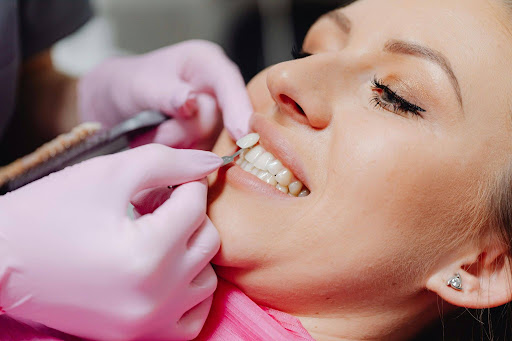
Veneers can make a smile look brighter, more even and more balanced, but they are not a fix for every dental concern. That is where expectations matter.
If you are asking what can veneers fix, the short answer is that they may help with selected cosmetic concerns, such as discolouration, small chips, minor gaps, uneven edges and teeth that look slightly out of proportion. What they cannot do is treat active decay, cure gum disease, replace missing teeth or correct major bite problems.
A good veneer plan starts with the teeth underneath. The enamel, gums, bite and overall oral health all influence whether veneers are suitable. Without that foundation, a cosmetic result can look good briefly but cause problems later. Dentistry still has a few old rules worth keeping, and “check the basics first” is one of them.
What are veneers meant to do?
Veneers are thin covers placed over the front surface of teeth to improve their appearance. Healthdirect explains that veneers are thin covers fixed to the front of teeth and may be made from porcelain or composite resin.
That definition is simple, but treatment planning is not always simple. Veneers sit on natural teeth, so the condition of those teeth matters. If a tooth is decayed, weak, loose or affected by gum disease, veneers may not be the right first step.
Veneers are generally used to improve appearance, not to treat disease. That difference is important.
What can veneers fix in suitable cases?
Veneers may be considered when the concern is mainly cosmetic, and the tooth is healthy enough to support treatment.
The tooth colour that whitening may not fully improve
Teeth whitening can help remove many stains, but not every tooth responds in the same way. Some deeper stains, old restorations or naturally darker teeth may remain uneven after whitening.
Veneers may be considered when the aim is to improve the visible colour of selected teeth. The goal should not simply be the brightest possible shade. A natural-looking veneer shade should suit your face, gums and neighbouring teeth.
Our guide to choosing veneer shades explains why shade selection needs careful planning rather than a quick pick from a chart.
Alternative text: Dental shade guide being used to assess veneer colour options.
Small chips and worn edges
Veneers may help improve the appearance of small chips, rough edges or mild wear on front teeth. They can make the smile line look smoother and more balanced.
The cause of the damage still matters. If teeth are worn because of grinding, clenching or an uneven bite, veneers alone may not address the underlying pressure. The same forces that damaged the natural teeth may also affect the veneers.
Minor gaps between teeth
Small gaps between front teeth may sometimes be improved with veneers by adjusting tooth shape and width. This can be suitable when the spacing is mild and mostly cosmetic.
Larger gaps, shifting teeth or spacing linked to gum disease may need a different plan. Veneers can change the visible surface of teeth, but they do not move teeth in the way orthodontic treatment does.
Uneven tooth shape or size
Veneers may help when teeth look slightly too small, narrow, uneven or out of balance with the rest of the smile.
Teeth.org.au explains that veneers may be used to change the visual appearance of teeth, including colour, shape or size in suitable circumstances. The key is matching the treatment to the tooth, not forcing the tooth to match the treatment.
What cannot veneers fix
Veneers have limits. Knowing those limits helps protect your teeth and avoid disappointment.
| Concern | Can veneers fix it? | What may be needed first |
| Active tooth decay | No | Dental assessment and restorative care |
| Gum disease | Not as the first step | Gum assessment and stabilisation |
| Missing teeth | No | Implants, bridges or dentures may be discussed |
| Severe crowding | Usually no | Orthodontic assessment |
| Heavy grinding | Caution needed | Bite assessment and possible protection |
| Large cracks or weak teeth | Sometimes no | Crowns or other restorations may be more suitable |
Veneers do not treat tooth decay
If a tooth has active decay, that needs to be assessed and managed before cosmetic treatment is considered. Covering a damaged tooth with a veneer does not remove the problem underneath.
Healthdirect notes that tooth decay is diagnosed by a dentist, sometimes with the help of X-rays. That is why an examination is needed before deciding whether veneers are suitable.
Veneers do not cure gum disease
Healthy gums are important for cosmetic dental treatment. If gums are inflamed, bleeding, receding or unstable, veneers may not sit or look the way they should.
If gum disease is present, it may need to be managed before veneers are considered. Our gum disease treatment page explains how gum health may be assessed before more advanced dental care.
Veneers do not replace missing teeth
A veneer needs a natural tooth to bond to. If a tooth is missing, a veneer cannot fill the space.
Depending on the situation, options for missing teeth may include a dental bridge, denture or implant. Veneers may still be part of a wider smile plan, but they are not a replacement tooth.
Veneers do not correct every bite issue
Veneers may improve the appearance of mild unevenness, but they cannot correct significant crowding, jaw alignment concerns or an unstable bite.
This is where shortcuts can become costly. A veneer may improve the front view of a tooth, but it cannot make an unhealthy bite healthy.
Porcelain veneers vs composite veneers
Patients often ask which type of veneer is better. The more useful question is which option suits the tooth, the goal and the long-term plan.
| Feature | Porcelain veneers | Composite veneers |
| Material | Thin ceramic shell | Tooth-coloured resin |
| Appearance | Often highly natural-looking | Can look natural in suitable cases |
| Stain resistance | Generally higher | May stain more over time |
| Repairability | Often replaced if damaged | Often easier to repair |
| Planning | Usually made outside the mouth | Often shaped directly on the tooth |
Porcelain veneers may be considered for larger aesthetic changes or when stain resistance is a priority. Composite veneers may suit smaller changes or more conservative repairs.
Neither option is automatically right for everyone. Our guide to composite vs porcelain veneers explains the practical differences in more detail.
What we check before recommending veneers
Before veneers are recommended, the condition of the teeth, gums and bite needs to be assessed. Colour and shape matter, but they are only part of the picture.
A veneer assessment may include checking:
- Enamel thickness and tooth structure
- Gum health and gum position
- Existing fillings, cracks or decay
- Bite pressure and signs of grinding
- Tooth colour and shade goals
- Whether whitening should be completed first
- How would veneers sit beside the surrounding teeth
This helps determine whether veneers are suitable or whether another treatment should come first.
How long do veneers last?
Veneers do not last forever. Their lifespan can vary depending on the material used, oral hygiene, bite forces, diet, grinding habits and ongoing dental care.
A veneer may need repair or replacement in the future. This is one reason planning should consider not only how the teeth will look now, but also how they may need to be maintained over time.
For more details, our article on how long veneers last explains the factors that can affect veneer longevity.
When veneers may not be the best first step
Veneers may not be recommended straight away if there is active decay, untreated gum disease, severe enamel loss, heavy grinding or a bite problem that could place too much pressure on the restorations.
In some cases, the better first step may be whitening, orthodontic treatment, gum care, fillings, crowns or monitoring the teeth before making a cosmetic change.
That does not mean veneers are off the table permanently. It means the mouth needs the right conditions first.
Alternative text: Natural smile close-up showing realistic cosmetic dental expectations before veneer treatment.
Are veneers right for your smile goals?
The question is not only about what veneers can fix. It is what veneers can fix safely and realistically in your mouth.
They may be suitable if your teeth are healthy enough and your concerns are mainly cosmetic, such as colour, shape, small chips or mild spacing. They may not be suitable if the concern is structural, functional or disease-related.
If you are considering veneers and want to understand what may be involved, you can read more about our approach to porcelain veneers. This can help you understand the treatment before deciding whether to book a consultation.
The key takeaway on what veneers can fix
Veneers can improve the appearance of selected cosmetic concerns, including discolouration, small chips, minor gaps, uneven edges and tooth shape.
They cannot treat decay, replace missing teeth, cure gum disease or correct major bite problems. They also need healthy teeth, stable gums and careful planning.
A good veneer result should look natural, feel comfortable and suit the rest of your smile. The right plan starts with knowing where veneers help, where they do not, and when another treatment may be the better first step.
All dental procedures carry risks. Outcomes vary depending on your oral health, tooth structure, gum condition, bite, material choice and ongoing care. Individual consultation is required to determine whether veneers are suitable for you. This article provides general information only and does not replace advice from a qualified dental practitioner. Before proceeding, you should seek a second opinion from an appropriately qualified health practitioner.