
The Role of Jawbone Health in Successful Dental Implants
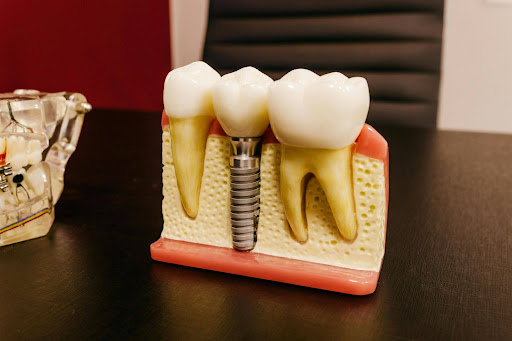
When people think about dental implants, they often focus on the tooth they can see. The crown. The colour. The final smile.
But the part you do not see matters just as much.
Jawbone health plays a major role in how dental implant treatment is assessed, planned and maintained. An implant is designed to sit in the jawbone and act like an artificial tooth root. If there is enough healthy bone, it may help provide support for the implant, alongside other factors such as gum health, medical history, oral hygiene and ongoing maintenance.
If the bone has thinned, shrunk or been affected by infection or gum disease, treatment may need extra planning. That does not automatically mean implants are off the table. A clinical assessment can help determine whether implant treatment may be suitable for your circumstances, or whether supporting treatment may be needed first.
Why jawbone health matters for dental implants
A dental implant is usually a titanium post placed into the jawbone where a tooth root once sat. Over time, the surrounding bone can grow around the implant surface, helping hold it in place. The Australian Dental Association explains that dental implants are placed into the jawbone, where the missing tooth was originally located.
Think of the jawbone as the foundation. You can choose a natural-looking crown and a well-designed smile, but if the foundation is weak, the result may be compromised.
Healthy jawbone structure may help with:
- Implant stability
- Accurate implant positioning
- Support for the crown, bridge or denture
- A more balanced bite
- A more natural gum shape
- Reduced risk of avoidable complications
During implant planning, we consider bone volume, bone quality, gum health, bite forces, medical history and your long-term maintenance needs. It is not just about whether an implant can be placed. It is about whether the mouth is ready to support it.
What happens to the jawbone after tooth loss?
When a natural tooth is removed or lost, the jawbone in that area no longer receives the same stimulation from chewing. Over time, the bone can gradually reduce in height and width.
Bone loss may be more noticeable when a tooth has been missing for many years. It can also occur where there has been infection, trauma, advanced gum disease or long-term pressure from removable dentures.
You may not be able to see this bone loss in the mirror. The gum can still look fairly normal from the outside. That is why clinical assessment and appropriate imaging matter. Imaging can help show the height, width and shape of the bone in a way that a visual check cannot.
Signs your jawbone may need closer assessment
You cannot diagnose jawbone health at home, but some signs suggest that the bone and gums should be checked carefully.
These include:
- A tooth has been missing for several years
- You have worn removable dentures for a long time
- You have had gum disease or loose teeth
- You have had repeated tooth infections
- Your gum looks sunken where a tooth is missing
- Your bite has changed after tooth loss
- You have had a failed implant in the past
- You have been told there is “not enough bone”
None of these signs automatically rules out implant treatment. They simply mean that proper assessment and planning are needed. In dentistry, the old rule still holds up nicely: measure twice, cut once.
How do we assess jawbone health before implant treatment
Alternative text: Dentist reviewing a dental X-ray to assess jawbone health before implants.
A successful implant plan begins before surgery. The bone, gums and surrounding structures need to be assessed before deciding what may be suitable.
Step 1: We review your dental and medical history
Your previous dental treatment, tooth loss, gum health, smoking status, medications and medical conditions can all influence healing and implant planning.
This helps identify risks early and allows the treatment plan to be matched to your circumstances.
Step 2: We assess your gums and remaining teeth
Healthy gums are important because implants need a clean, stable environment. If gum disease is active, it may need to be managed before implant treatment is considered.
The National Institute of Dental and Craniofacial Research explains that gum disease can affect the bone that supports the teeth when it is left untreated. That matters because the surrounding tissues form part of the foundation for implant planning.
If gum health is a concern, our gum disease treatment page explains how this condition may be assessed and managed before more advanced dental treatment.
Step 3: We use imaging and plan carefully
Dental imaging allows the available bone to be assessed in more detail. It can also help identify nearby structures, such as nerves and sinuses, which must be considered during implant planning.
Once your jawbone health is better understood, your dentist can discuss whether implant treatment may be suitable or whether the bone may need to be rebuilt, widened or supported first.
Jawbone health and implant suitability
| Jawbone condition | What it may mean | Possible approach |
| Good bone height and width | Implant placement may be more straightforward | Careful positioning and review |
| Narrow bone ridge | The bone may be too thin for ideal support | Bone expansion or grafting may be considered |
| Reduced bone height | The site may be too shallow | Bone grafting or alternative planning may be needed |
| Bone loss from gum disease | The mouth may need stabilising first | Gum treatment before implant planning |
| Upper back tooth bone loss | The sinus may limit available bone | Sinus lift may be discussed |
This table is a general guide only. Your actual options depend on your examination, imaging, medical history, gum health and treatment goals.
What if you do not have enough jawbone?
Alternative text: Dental professional explaining jawbone structure using an anatomical model.
Being told you do not have enough bone can feel discouraging. The answer depends on the amount and quality of bone available, as well as your gum health, medical history and treatment goals.
Some people are not suitable for implants without additional procedures. Others may still have options with the right planning.
Bone grafting
Bone grafting involves placing graft material where bone volume is lacking. In selected cases, it may help increase the amount of bone available to support future implant planning.
Mayo Clinic notes that bone grafting may be needed before dental implant surgery when the jawbone is not thick enough or is too soft to support an implant.
The graft material may vary depending on the case. Your dentist should explain what type of graft is being considered, why it may be needed and what the risks and healing process may involve.
For a deeper look at this process, our guide to understanding dental bone grafts explains why grafting may be recommended and what it can involve.
Bone expansion
If the jawbone is too narrow, bone expansion may be considered in selected cases to widen the implant site. This may improve the amount of bone available to support the implant when there is enough bone height but limited width.
Sinus lift
For upper back teeth, the sinus can sit close to the jawbone. If there is not enough bone height in this area, a sinus lift may be considered to create more space for future implant support.
Our article on what a sinus lift is explains why the sinuses matter when planning implants in the upper jaw.
Factors that can affect jawbone health
Jawbone health is not only about how much bone you have. It is also about how well your mouth can heal and how stable the surrounding tissues are.
Common factors include:
- Gum disease
- Tooth infection
- Smoking or vaping
- Medical conditions, including diabetes or immune conditions
- Bite pressure from grinding or an uneven bite
- Poor oral hygiene
Each of these can affect healing, inflammation or the stability of the tissues around teeth and implants. Some factors can be improved before treatment, while others may need to be managed as part of the overall plan.
How healthy bones support a natural-looking result
Jawbone health is not only about strength. It can also affect the final appearance.
The bone supports the gum. The gum frames the crown. If the bone has collapsed, the gum may look sunken or uneven. This can make it harder to create a tooth replacement that looks natural, especially at the front of the mouth.
When we plan implant treatment, we are not just thinking about whether an implant can be placed. We are also thinking about where it should be placed, how the gum may sit and how the result may be maintained over time.
How to protect jawbone health before and after implants
Careful planning supports the start of treatment. Ongoing maintenance may help reduce risks after the implant has been restored.
Depending on your individual needs, we may recommend daily brushing and cleaning between the teeth, regular professional reviews and early assessment of any bleeding, swelling, looseness or discomfort. Smoking can affect oral healing, so your dentist may also discuss smoking reduction or cessation before and after implant treatment.
Implants are not “fit and forget”, even when they have been placed well. They need a healthy mouth around them.
The key takeaway on jawbone health and dental implants
Jawbone health is one of the most important factors in dental implant planning. It can affect stability, healing, appearance and long-term maintenance.
If your bone is healthy, implant planning may be more straightforward. If your bone is thin, reduced or affected by a previous disease, there may still be ways to improve the foundation before treatment. The right answer depends on your individual diagnosis.
Planning should be based on clinical assessment, appropriate imaging and a realistic discussion of risks, benefits and alternatives.
If you are considering implants and want to understand whether jawbone health may affect your options, you can read more on our dental implant treatment page.
All surgical and invasive procedures carry risks. Outcomes vary depending on oral health, jawbone condition, medical history and ongoing maintenance. Individual consultation is required to determine whether implant treatment is suitable for you. Before proceeding, you should seek a second opinion from an appropriately qualified health practitioner.