
What is cosmetic dentistry?
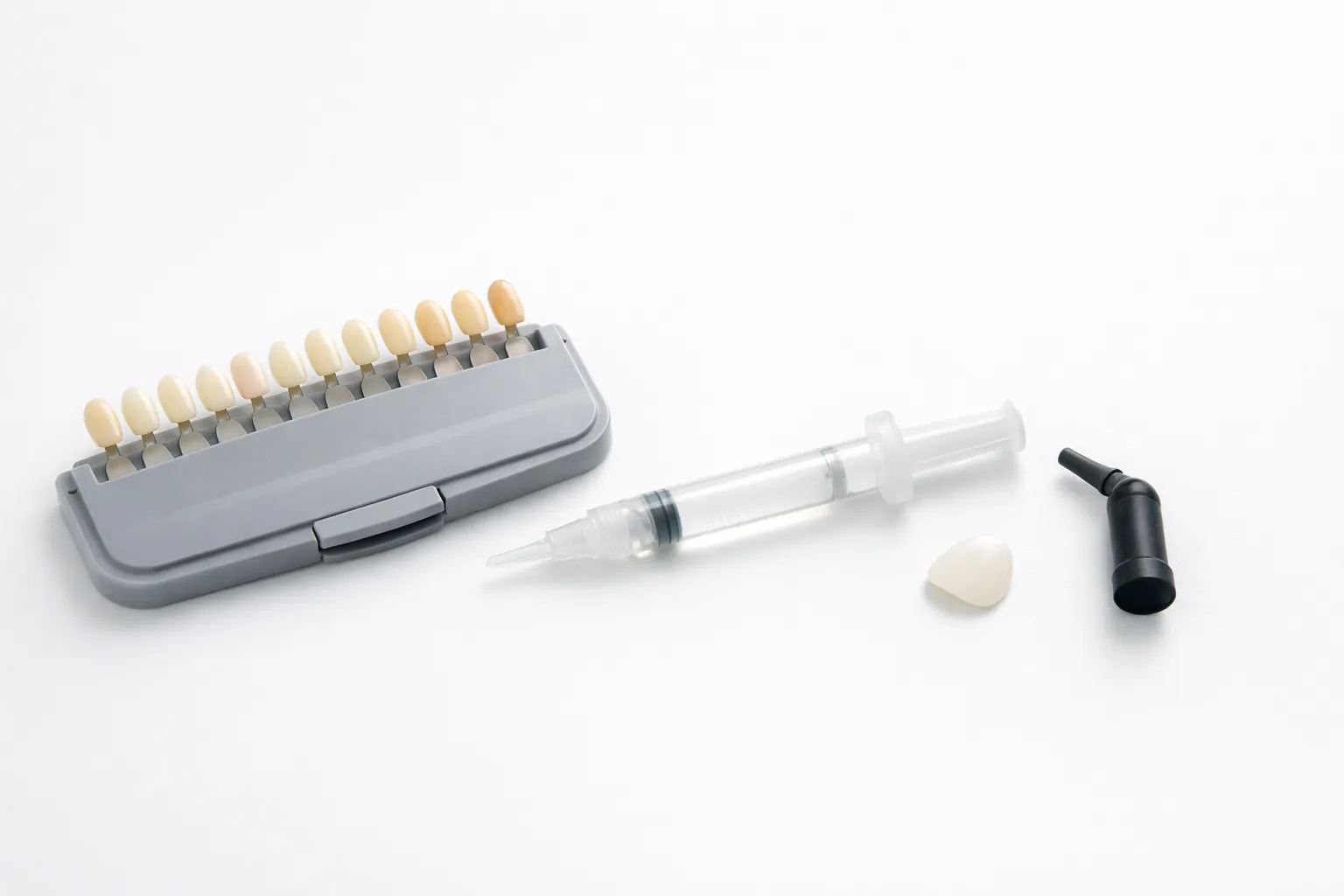
Cosmetic dentistry focuses on enhancing the appearance of teeth, gums, and the overall smile, while still prioritising function and long-term oral health. When done properly, it is not about chasing a uniform or artificial look. It is about refinement, proportion and balance so the smile sits naturally within the face and remains stable over time.
In consultations, the most common concerns tend to be colour changes, worn edges and uneven proportions, often noticed in photographs or on video calls. A tooth that has darkened after older dental work, edges that have flattened with wear, spacing that catches the eye, or a smile that feels tired rather than bright. Cosmetic dentistry can address these concerns, but outcomes are often more predictable when planning is conservative, diagnosis-led and realistic about longevity and maintenance.
This article explains what cosmetic dentistry involves and how to approach it sensibly.
What cosmetic dentistry actually includes
Cosmetic dentistry is not a single treatment. It is a category that can include whitening, bonding, veneers, orthodontic alignment and gum reshaping, depending on what needs to change.
Most cosmetic goals fall into a few themes:
- Improving tooth colour and brightness
- Refining tooth shape and edge symmetry
- Closing small gaps or managing spacing
- Correcting mild to moderate misalignment
- Repairing chips, cracks or worn enamel
- Improving gum symmetry where gum levels are uneven
A sophisticated cosmetic plan also considers function. The World Dental Federation defines oral health as the ability to smile, speak and chew comfortably and confidently, not simply the absence of disease, which is outlined in FDI’s definition of oral health.
That broader perspective matters because the most natural aesthetic result is usually one that respects tooth structure, gum health and bite stability.
Cosmetic dentistry versus general dentistry
General dentistry focuses on prevention, diagnosis and treatment of disease. Cosmetic dentistry builds on that foundation by addressing appearance once oral health is stable.
General dentistry commonly includes:
- Fillings and decay management
- Gum disease treatment and maintenance
- Root canal therapy and infection control
- Routine reviews and preventive care
Cosmetic treatment planning usually follows once active issues are controlled. If gums are inflamed, enamel is weakened, or bite forces are unstable, cosmetic work may be more difficult to maintain and at higher risk of complications.
If you have pain, swelling, bleeding gums or loose teeth, it is sensible to have those concerns assessed before cosmetic treatment is planned. Cosmetic options vary, and suitability can only be confirmed after examining teeth, gums and bite.
Common cosmetic dentistry treatments
Cosmetic dentistry offers several tools. The right option depends on what you want to change, how much natural tooth structure is available and how you want the result to age.
Teeth whitening
Whitening aims to lift colour without changing tooth shape. It targets stains within enamel and dentine, so results vary depending on the cause of discolouration and baseline shade.
Evidence reviews suggest comparable whitening effects across common agents in many settings, with tooth sensitivity being a frequent consideration, as discussed in this evidence review on carbamide peroxide versus hydrogen peroxide for tooth whitening.
Existing fillings, crowns and veneers typically do not lighten with whitening, which can influence overall colour matching and whether further cosmetic treatment is considered.
Cosmetic bonding
Bonding uses tooth-coloured resin to repair chips, reshape edges or close small spaces. It is conservative and repairable, but it can stain and wear sooner than ceramics.
Bonding may require maintenance such as repolishing over time, particularly on biting edges or in patients with stronger bite forces. For some people, bonding is an ideal first step. For others, it is part of a staged approach.
Veneers
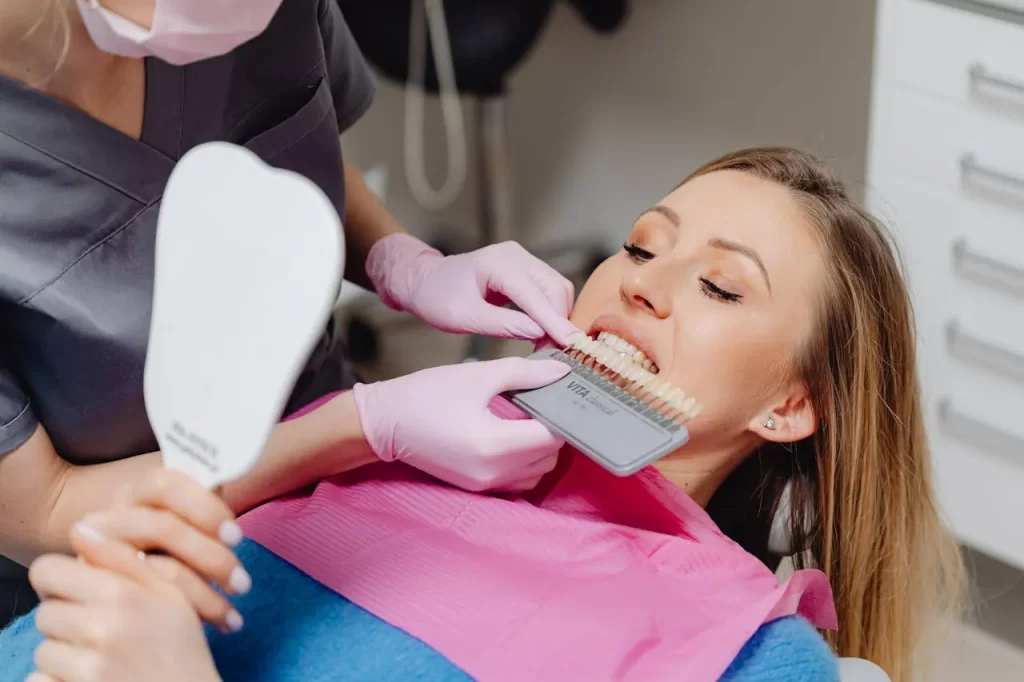
Veneers are thin restorations placed over the front surfaces of teeth to refine colour, shape and proportion. They are often used where whitening is insufficient or where teeth are worn or uneven.
Composite veneers are more conservative and easier to repair, while porcelain veneers often provide greater stain resistance and surface stability over time. Suitability depends on enamel quality, bite forces and the extent of change required. The clinic’s guide to composite vs porcelain veneers and what to consider before you decide explains these differences in detail.
Veneers also sit within a broader cosmetic framework. Outcomes are often more predictable when planning accounts for enamel thickness, gum health, bite stability and expectations around maintenance. Dr Bobby’s overview of cosmetic dentistry explains how treatment options are assessed and staged. A consultation allows your bite, tooth structure and goals to be reviewed so you can discuss suitable options, including whether treatment is appropriate.
Clear aligners and orthodontics
Alignment is an important part of cosmetic dentistry. Straightening teeth can improve symmetry and reduce the need for enamel reduction in restorative work. In many cases, correcting crowding or spacing first allows later cosmetic changes to be more conservative and stable.
Gum reshaping and smile balance
Cosmetic dentistry also considers the gums. Gum levels influence tooth proportions and overall smile balance. Minor gum contouring can be appropriate in selected cases, but it requires careful assessment to ensure gum health and long-term stability.
How cosmetic dentistry is planned
High-standard cosmetic dentistry begins with planning, not procedures.
A structured planning process often includes:
- A comprehensive dental examination
- Bite and jaw assessment
- Evaluation of enamel thickness and wear
- Review of existing restorations and gum health
- Photographs and measurements to assess proportion
- Discussion of goals, risks and maintenance
Digital planning can be helpful when it improves clarity and communication. A 2024 systematic review explored patient satisfaction and recent advances in digital smile design in this review of digital smile design use and satisfaction outcomes.

Regular reviews also allow small bite changes or surface wear to be monitored and managed early, which can sometimes reduce the likelihood of more significant repairs later.
Is cosmetic dentistry only about appearance?
Cosmetic dentistry is aesthetic by definition, but it often overlaps with function.
Examples include:
- Refining worn edges to improve bite comfort
- Closing spaces to reduce food trapping
- Aligning teeth to make cleaning easier
- Restoring tooth shape to support speech
Cosmetic treatment should never compromise tooth structure or gum health for short-term appearance. The strongest plans enhance aesthetics while respecting biological limits.
Longevity and maintenance
Cosmetic dentistry is not permanent. Longevity depends on the treatment chosen, materials used, bite forces, habits and ongoing care.
Maintenance typically includes:
- Regular professional cleans and reviews
- Monitoring bite changes and wear
- Polishing where surface stain builds up
- Addressing minor chips early when appropriate
If veneers are part of the plan, the clinic’s guide on how long veneers last outlines realistic time frames and care considerations.
Final thoughts
Cosmetic dentistry is a considered approach to improving smile aesthetics through conservative techniques and restorative precision, grounded in diagnosis, planning and long-term maintenance. The most natural results are usually those that look effortless and function comfortably over time.
This article provides general information only and does not replace personalised advice, diagnosis or treatment planning from your own dentist or specialist. A comprehensive clinical examination is essential before proceeding with cosmetic dentistry.