
How to Take Care of Implants
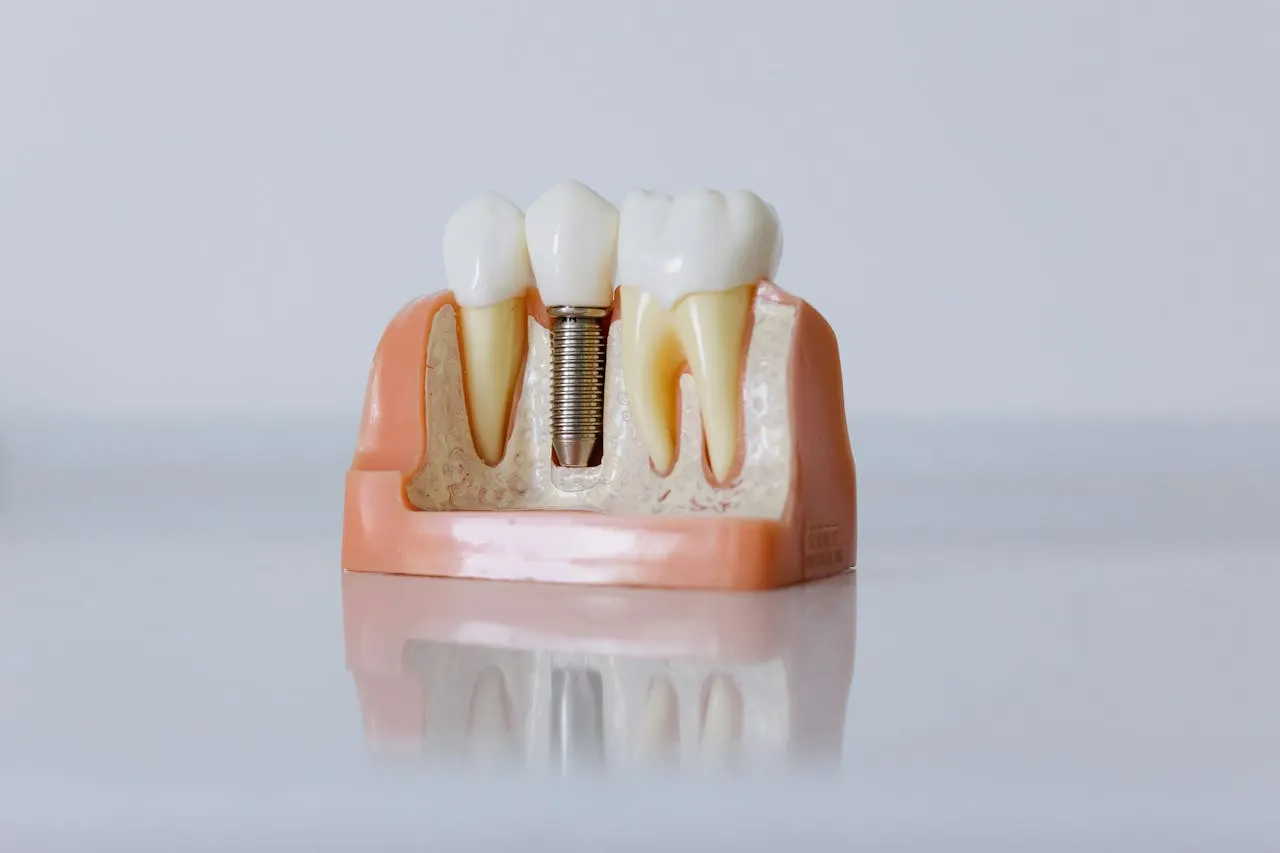
Dental implants are designed to be strong, stable, and natural-looking, but they still require good daily care. Once healing is complete, the focus is straightforward. We want to control plaque, protect the gum around the implant and support the health of the surrounding bone.
This is where long-term implant maintenance becomes important. While an implant itself does not decay like a natural tooth, the tissues around it can still become inflamed if plaque builds up. Over time, this may lead to bleeding, soreness and, in more advanced cases, loss of support around the implant. In most cases, effective care comes down to consistent, well-executed habits rather than anything complicated.
Why implant care matters after treatment
A dental implant replaces the root of a missing tooth and supports a crown, bridge or denture. Once it has integrated with the jawbone, it provides a stable foundation for the restoration. However, long-term success depends on more than the placement itself.
The surrounding gum and bone play a critical role. Research on peri-implant diseases and conditions shows that inflammation can begin in the soft tissue and progress to bone loss if not managed early. This is why daily cleaning and ongoing maintenance are considered part of the treatment, not something separate from it.
It is also common for patients to feel that treatment is “finished” once the crown is fitted. In reality, implant care continues beyond this stage. Ongoing monitoring helps ensure the tissues remain healthy and the restoration continues to function as intended.
What good implant care looks like day to day
For most patients, implant care comes down to a few reliable habits.
The daily routine we want to keep simple
A typical routine includes:
- brushing twice daily with a soft toothbrush
- cleaning between the implant and neighbouring teeth
- paying attention to the gumline
- attending regular dental and hygiene appointments
- arranging a review if bleeding, swelling or discomfort develops
These steps are simple, but they are what support the long-term stability of the implant.
Brushing around implants properly

Brushing should be gentle but thorough. A soft toothbrush is usually preferred, as it helps remove plaque without irritating the gums.
When cleaning around an implant, focus on:
- the front and back of the crown
- the chewing surface
- the junction where the crown meets the gum
- adjacent teeth, where plaque can also accumulate
A common issue is cleaning the visible crown well while missing the gumline. This is often where plaque collects. Small, controlled movements are generally more effective than forceful scrubbing. The aim is to clean consistently and target the areas that are easiest to overlook.
Cleaning between the teeth matters just as much
Brushing alone does not clean between teeth or under certain restorations. Interdental cleaning is therefore an important part of implant care.
According to Healthdirect’s advice on dental implants, cleaning between the implant and surrounding teeth is part of routine maintenance. The most suitable method depends on the available space and the design of the restoration.
Which cleaning aid should we use?
| Cleaning aid | Best for | Considerations |
| Floss | Tight contacts | Requires correct technique to reach below the contact point |
| Interdental brush | Larger spaces or bridge areas | Must be correctly sized to be effective |
| Water flosser | Additional support for some patients | Best used alongside other cleaning methods |
The most effective approach will vary from one patient to another. This is why individual guidance during review appointments is useful.
What to do during the healing phase
After implant placement, care should be adapted to protect the healing tissues.
Follow the instructions for your specific procedure
Aftercare should reflect the type of treatment carried out. A single implant differs from more complex procedures such as grafting or full-arch restoration. Following the instructions provided by your clinician is essential.
For a broader overview, our article on different types of dental implants explains how treatment approaches can vary.
Choose softer foods while the area settles
During early healing, softer foods are typically easier to manage. Options such as yoghurt, eggs, soup, mashed vegetables and soft fish reduce pressure on the area.
This is usually temporary and helps support the healing process.
Keep the area clean without disturbing it
Oral hygiene remains important, but cleaning should be gentle and follow the guidance provided. Overly aggressive brushing may irritate the site, while avoiding cleaning altogether allows plaque to accumulate.
Guidance from Cambridge University Hospitals on dental implant treatment highlights the importance of maintaining oral hygiene before and after implant placement, as well as during long-term care.
Avoid smoking
Smoking is a recognised risk factor for delayed healing and oral health complications. It can affect blood supply and tissue recovery following dental procedures.
Our article on the impact of smoking on oral health explains this in more detail.
When professional implant support becomes part of good aftercare
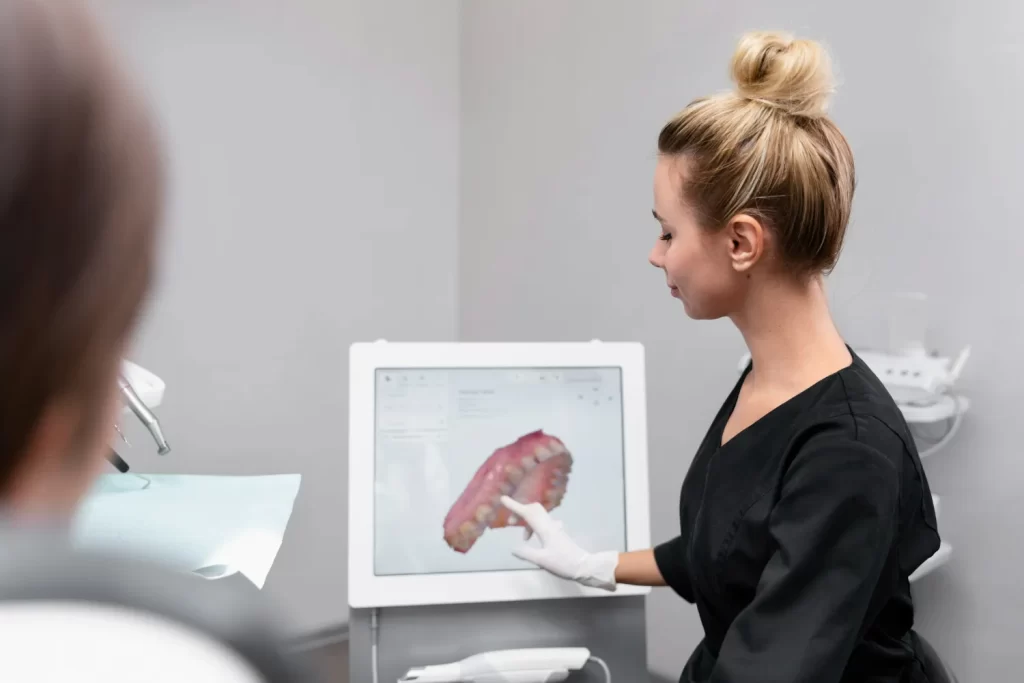
Daily care plays a major role, but professional follow-up helps ensure everything remains on track. This includes assessing healing, monitoring gum health and checking how the restoration is functioning.
Professional implant care is not limited to placement. It also involves planning, restoration and ongoing review. If you are considering treatment, have questions about maintaining an existing implant or want a clearer understanding of your options, our dental implants service explains the treatment process and long-term care in more detail.
Signs an implant may need attention
Early changes are not always painful, which is why regular review is important.
Warning signs we should not ignore
It is sensible to arrange a dental review if you notice:
- Bleeding around the implant
- Redness or swelling in the gums
- Tenderness or discomfort
- A persistent unpleasant taste
- Changes in how your bite feels
- Movement in the restoration
These signs do not always indicate a serious issue, but they should be assessed rather than left to resolve on their own.
How often should implants be checked?
Home care is important, but professional monitoring is also necessary. Regular reviews allow the dentist to assess gum health, plaque retention and the function of the restoration.
Our article on how often to visit the dentist provides additional guidance on review intervals.
What happens at a maintenance visit?
A maintenance appointment may include:
- checking the gum around the implant
- assessing plaque and calculus build-up
- reviewing how the restoration functions in the bite
- examining surrounding teeth and tissues
- adjusting home-care advice where needed
The frequency of these visits may vary depending on individual factors such as gum health, medical history and the type of treatment received.
Habits that help implants last well
Implant care is influenced by everyday habits as well as cleaning techniques.
Good habits worth keeping
- Brush twice daily
- clean between the teeth every day
- Attend maintenance appointments
- Report grinding or clenching
- Use a night guard if advised
- Keep your dentist informed about relevant health changes
Implants function within the wider oral environment. The health of surrounding teeth, gums and bite all contribute to long-term outcomes.
For those considering alternatives, our article on tooth implant vs dental bridge explains the differences between treatment options.
The key takeaway is consistency
Good daily cleaning and regular professional review are central to maintaining an implant over time. This includes brushing thoroughly, cleaning between the teeth and following post-operative instructions.
Changes around implants often develop gradually rather than suddenly. Early review allows these changes to be managed more effectively.
Maintaining healthy gums and keeping the area clean supports the long-term stability and function of the implant.
This article is general information only and does not replace personalised dental advice, diagnosis or treatment. Aftercare instructions may vary depending on the procedure, your oral health and your clinician’s recommendations.