
How a Cosmetic Dentistry Consultation Works (and What We Look For)
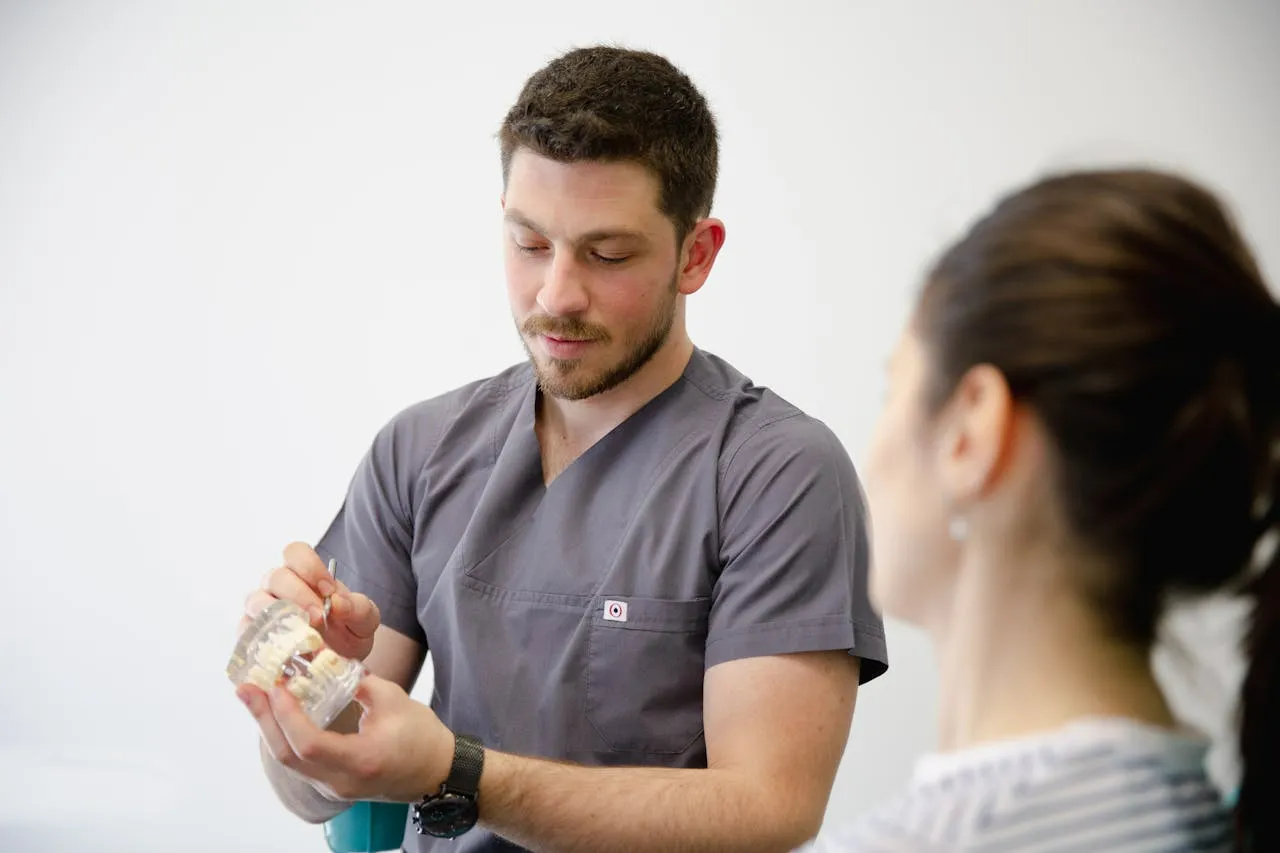
A cosmetic dentistry consultation is where we turn “I’d like to improve my smile” into a plan that makes clinical sense. We listen to what you want to change, assess what your teeth and gums can support, and map out options that look natural and are practical to maintain.
General information only. Treatment suitability and timelines vary, and decisions should be made after a personalised assessment with a registered dental practitioner.
Why the consultation matters more than people expect
Cosmetic dentistry is not only about whiter or straighter teeth. It’s also about proportion, balance, and function. The consultation is when we check that your aesthetic goals align with what your mouth needs to stay healthy and stable.
In a thorough cosmetic dentistry consultation, we aim to:
- Clarify what you want to change, and what you want to keep
- Check gum health, enamel, and the condition of any existing dental work
- Assess bite and function, including signs of clenching or grinding
- Explain options in plain language, including limitations and maintenance
- Recommend a sensible sequence, rather than rushing into a final treatment
This early planning helps us avoid surprises later, especially when multiple treatments are being considered.
How to prepare so the appointment is more useful
You don’t need a mood board. A few notes about what you notice help us get specific faster.
It helps to think about
- What stands out most: colour, chips, gaps, uneven edges, crowding, worn teeth, gum line, asymmetry
- When you notice it: photos, video calls, certain angles, bright lighting
- Your preference: subtle and natural, or brighter and bolder
- Any sensitivity: hot or cold triggers, or discomfort when brushing
- Habits: clenching, grinding, nail biting, chewing pens, frequent acidic drinks
If you’d like context on how we approach planning and long-term care, you can start with our team and approach.
We start with your goals, then we get precise
A good cosmetic dentistry consultation begins with listening. We want to understand what you see, what you feel, and what you’re hoping will change.
We’ll usually ask:
- What would you change if you could?
- What do you already like about your smile?
- Is this purely aesthetic, or is there discomfort, too?
- Are you aiming for a small refinement or a bigger change?
What this looks like in real life
People often describe the surface issue, but the driver can be different.
- “My teeth look small” can be wear, gum position, or both.
- “My smile looks uneven” can be alignment, gum symmetry, or uneven wear.
- “My teeth look dark” can be staining, dehydration, or the contrast created by older restorations.
Our job is to identify what’s actually influencing the look, so the plan addresses the cause, not only the symptom.
We assess health and function before we plan aesthetics
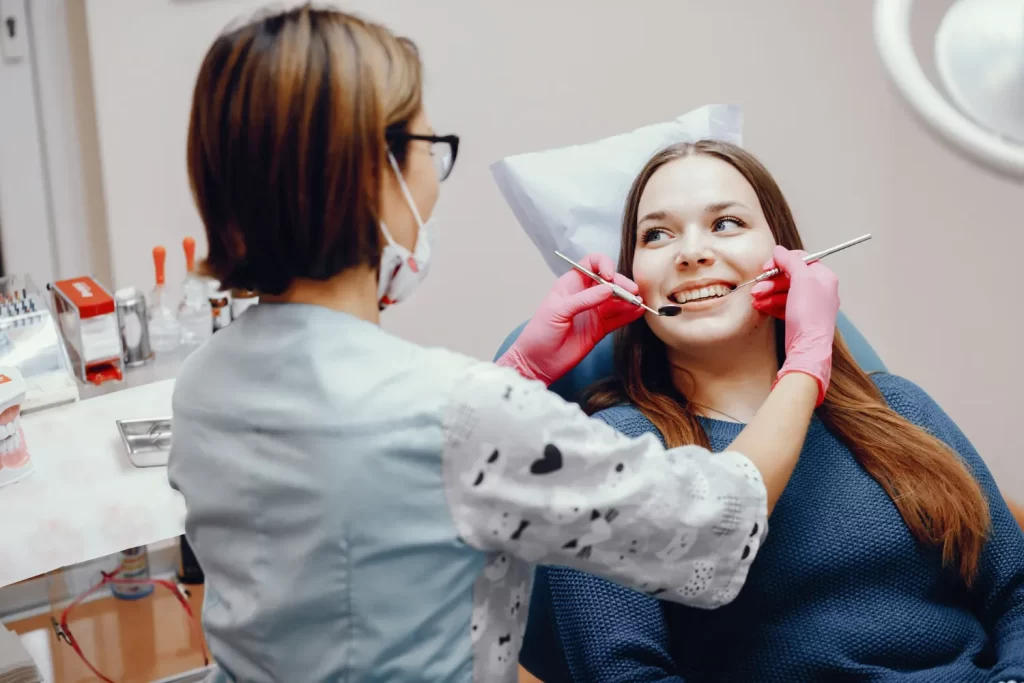
Cosmetic dentistry generally works best when oral health foundations are stable. If there’s untreated gum inflammation, active decay, or bite instability, it can affect comfort, maintenance needs, and how long some cosmetic restorations last.
During the clinical assessment, we typically look at:
- Gum health and symmetry
- Enamel condition and tooth strength
- Existing fillings, crowns, veneers, and whether they’re stable
- Bite alignment and how your teeth meet during chewing
- Signs of clenching or grinding (wear, chips, muscle tension)
- Smile line and lip movement when you speak
When function matters more than people realise
If we see repeated chipping, flattened edges, or uneven wear, we look closely at how your bite guides movement and whether clenching or grinding may be contributing. In some cases, supporting function is what protects the cosmetic result over time.
If this is relevant to you, our article on whether orthodontics can help TMJ pain explains the connection between bite strain, comfort, and wear patterns.
Records and diagnostics: why we often recommend them
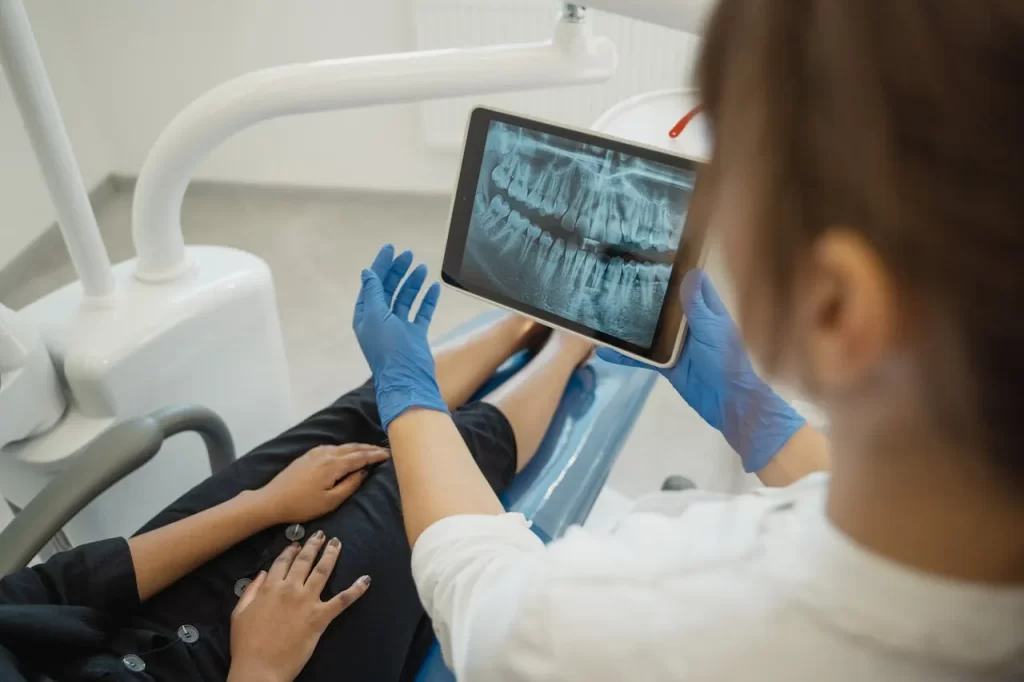
Records can make planning more accurate and help us discuss options clearly. Depending on your needs, we may recommend:
- Intraoral photos (teeth and gums close-up)
- Facial photos (your smile in context)
- Digital scans (a 3D model of your teeth)
- X-rays (to assess roots, bone levels, existing work, and hidden decay)
- Shade assessment (current colour and a realistic whitening range)
These records help us check proportions and symmetry, plan conservatively where possible, and reduce surprises mid-treatment. They also give you something tangible to react to, rather than making decisions based on memory or a mirror.
Treatment options we commonly discuss
Once we understand your goals and starting point, we’ll talk through options that suit your teeth, timeline, and preferences. We’ll also discuss benefits, limitations, and alternatives so you can decide with confidence.
| Treatment option | Often suits | Strengths | What we consider |
| Professional whitening | General dullness or yellowing | Conservative, efficient | Sensitivity risk, existing restorations won’t lighten |
| Composite bonding | Chips, gaps, small reshaping | Minimal drilling in many cases | Staining, chipping, maintenance over time |
| Porcelain veneers | Shape, colour, symmetry, worn edges | High aesthetic control, stain-resistant | Suitability, bite, and the level of preparation needed |
| Clear aligners | Crowding, spacing, bite refinement | Improves alignment conservatively | Compliance, timing, retention afterwards |
| Crowns | Weak or heavily restored teeth | Strength plus aesthetics | More tooth reduction when required structurally |
| Gum reshaping | Uneven gum line | Can rebalance tooth proportions | Gum and bone levels, long-term stability |
A common planning point we explain early
If whitening is a priority but you have older fillings, crowns, or veneers on visible teeth, we’ll explain that these restorations typically won’t lighten with bleaching. That can affect sequencing, because we may recommend whitening first, then reassessing whether any visible restorations should be updated to match.
If you want a straightforward overview of whitening and suitability, Healthdirect’s teeth whitening overview is a useful starting point.
If veneers come up in your consult, our veneers FAQ can help you review what they involve, what affects longevity, and what aftercare tends to look like.
How we sequence treatment so the result is better supported
A strong cosmetic dentistry consultation isn’t only about choosing a treatment. It’s about choosing the right order, so the result looks good and is practical to maintain.
In many cases, we plan with this sequence in mind:
- Stabilise oral health first (gums, decay, failing restorations)
- Consider alignment and bite stability early if wear or asymmetry is present
- Refine colour before final restorations so shades match properly
- Refine shape and proportion once foundations are stable
- Protect the result with retention, bite protection if needed, and maintenance
We’ll discuss trade-offs openly. A faster option may suit small refinements. If active wear or bite instability is present, we may recommend addressing that early so the cosmetic plan is better supported.
Safety, longevity, and what maintenance involves
We’ll talk through benefits, limitations, alternatives, and what maintenance looks like. That includes sensitivity, gum response, chipping risk, and the impact of habits like grinding.
Whitening is common, but temporary tooth sensitivity and mild irritation can occur, particularly with stronger products or longer exposure times. The Cochrane review on home-based tooth bleaching summarises the evidence on effectiveness and commonly reported side effects.
For veneers, outcomes vary depending on case selection, bite, and ongoing care. This systematic review on porcelain laminate veneers discusses long-term survival and complications in the research literature.
What you should leave with after the consultation
A good cosmetic dentistry consultation should leave you feeling informed, not rushed. You should have:
- A clear summary of what we found clinically
- Options that suit your teeth, not just a wish list
- A realistic sequence and timeframe
- A discussion of maintenance and comfort considerations
- Time to think, ask questions, and decide
Where the consultation naturally leads next
Many people come in thinking they need one treatment. Often, the most suitable approach is a combination planned in the right order.
If you’re starting to picture what could work for your smile, take a look at our cosmetic dentistry services. It outlines the options we often use after a consultation, and it can help you decide what to ask about when you come in.
In summary
A cosmetic dentistry consultation is where we turn uncertainty into a plan. We listen to your goals, assess oral health and function, gather records for accurate planning, and recommend a sequence that supports both appearance and longevity.
Editorial note: This article is intended as general information and should not replace personalised dental advice.