
Composite vs porcelain veneers: what to consider before you decide
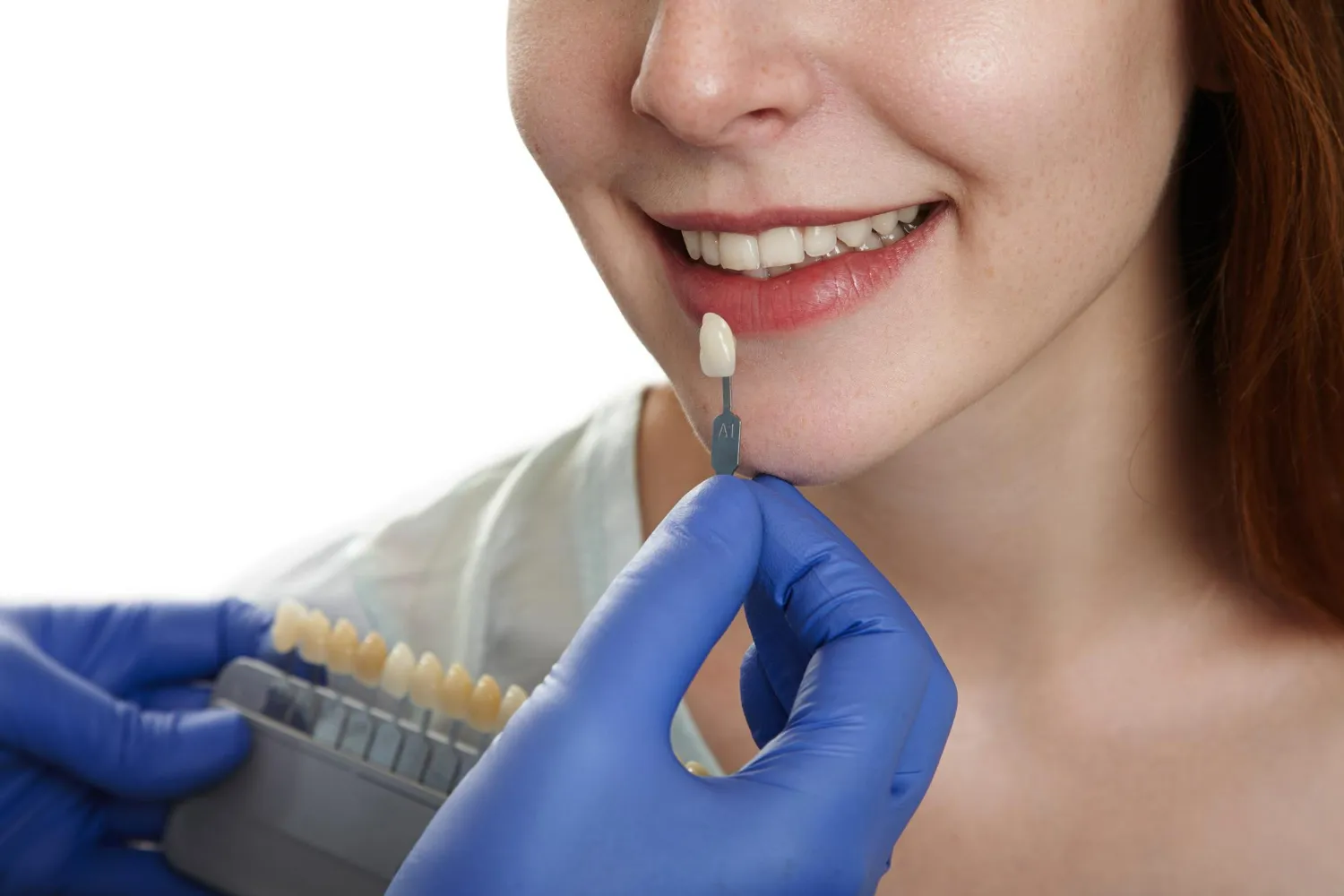
Veneers are one of the most refined ways to rejuvenate a smile, adjust tooth proportions and restore balance to worn or uneven teeth. For many patients, they offer a predictable way to improve colour, shape and symmetry without resorting to full crowns.
The question most people face is simple: Should I choose composite or porcelain veneers?
From a specialist perspective, this is not a cosmetic trend decision. It is a clinical choice guided by biology, bite dynamics, durability and how each material behaves in the mouth over time. This guide outlines the key differences so you can discuss your options with confidence at a comprehensive consultation.
What veneers are designed to achieve
Veneers are thin restorations placed on the front surfaces of teeth to:
- Refine tooth shape and length
- Improve colour when whitening is not enough
- Close small spaces and black triangles
- Mask worn edges, minor chips and enamel defects
- Harmonise an uneven smile line
They sit within a broader treatment plan rather than acting as a standalone fix. If underlying issues like decay, cracked teeth or missing teeth are present, these need to be understood first. Dr Chhoker explores this treatment planning mindset in his Q and A on decay and missing teeth, where long-term stability is the priority.
What are composite venners?
Composite veneers are created using high-quality, tooth-coloured resin that is bonded directly to enamel. The material is applied in layers, sculpted by the clinician and polished to a high shine.
When they may be suitable
They are often considered when:
- Mild to moderate cosmetic changes are needed
- A more cost-conscious option is preferred
- A reversible or very conservative approach is important
- There are small chips, uneven edges or minor spaces
- Same-day treatment is attractive
Advantages and considerations
Key benefits include:
- Conservative approach – in many cases, little to no tooth reduction is required
- Lower upfront cost – typically less expensive than porcelain
- Single visit treatment – useful when time is limited
- Ease of modification – the material can be added to or repaired
Points to keep in mind:
- Composite can stain more readily from coffee, tea, red wine and smoking
- Wear, and small chips may appear sooner, especially in people who clench or grind
- Periodic polishing and occasional repairs may be needed
A peer-reviewed review on veneer preparation and material choice in the Journal of Clinical and Experimental Dentistry reported that they can be a useful conservative option, but showed lower long-term durability compared with ceramics, particularly in demanding bite situations.
What porcelain veneers are
Porcelain veneers are thin, custom-made ceramic shells fabricated in a dental laboratory and bonded to the front of teeth using advanced adhesive systems.
When porcelain veneers may be suitable
Porcelain may be recommended when:
- You want a highly natural, lifelike appearance
- Long-term colour stability is important
- More extensive reshaping or correction of several teeth is required
- You prefer a durable, low-maintenance option
- Old restorations need replacing for a uniform look
Advantages and considerations
Benefits of porcelain include:
- Exceptional aesthetics – quality ceramics mimic natural enamel
- Colour stability – porcelain resists staining from everyday food and drink
- High strength – veneers can remain functional and attractive for many years
- Custom design – shade and shape are tailored to facial features
Considerations:
- A small amount of enamel is usually removed to create space for the ceramic
- Fees are higher than composite due to material and laboratory work
- Treatment typically involves more than one visit
A review on the long-term survival of porcelain laminate veneers published in Biomaterial Investigations in Dentistry found that porcelain veneers demonstrated survival rates above 90 per cent at ten years when bonded to enamel and supported by a stable bite.
Composite vs porcelain veneers at a glance
| Feature | Composite veneers | Porcelain veneers |
| Material | Resin-based composite | High-strength ceramic |
| Aesthetic outcome | Good, less lifelike | Highly natural, translucent |
| Durability | Moderate | High |
| Stain resistance | Lower | Excellent |
| Treatment time | Often one visit | Multiple visits |
| Typical longevity | Around 3 to 7 years with care | Often 10 to 15 years or more |
| Tooth preparation | Minimal or none | Small enamel reduction |
| Ease of repair | Relatively simple | More complex |
| Cost | Lower | Higher |
How a specialist practice approaches veneer planning
In a specialist setting, veneers are planned as part of an overall cosmetic and functional strategy. Gum levels, bite, facial structure and long-term maintenance are all considered before material choices are finalised. This often involves digital smile design, wax-ups and detailed discussion about expectations.
If you are interested in how ceramics are integrated into this type of planning, our overview of porcelain veneers explains how cases are assessed, designed and delivered. It also provides a clear way to arrange a consultation if you would like to explore a personalised veneer plan in more detail.
When orthodontics or bonding are part of the plan
Veneers are not always the first step. In some cases, minor orthodontic alignment or conservative bonding creates a more stable, natural-looking result.
Orthodontic alignment before veneers
If teeth are significantly rotated, crowded or spaced, clear aligners or braces may be recommended before veneers. Correcting positions first can:
- Reduce how much enamel needs reshaping
- Improve bite stability
- Support a more even ceramic thickness
- Enhance gum symmetry and smile line
For patients considering that staged approach, our guide to clear braces outlines how discreet orthodontic treatment can prepare a better foundation for cosmetic work.
Composite bonding as a standalone or staged option
Composite bonding can be used to:
- Test proposed shapes or lengths before committing to porcelain
- Address small chips, spaces or edge wear conservatively
- Provide a medium-term option when a patient is not yet ready for ceramics
If you want to see how additive techniques alone can refine a smile, our article on filling dental gaps with conservative treatment shows how bonding can improve symmetry and proportion without full veneers.
Long-term performance and maintenance
The longevity of both composite and porcelain veneers depends not only on the material but also on:
- How much natural enamel is preserved
- The quality of bonding and occlusal design
- Bite forces and any grinding or clenching habits
- Daily oral hygiene and diet
- Regular professional review and cleaning
A clinical analysis of veneer survival and complication patterns in the journal Materials reported cumulative survival rates close to 90 per cent at around nine years, with early complications such as fracture and debonding more likely in the first few years after placement. This highlights how important case selection, material choice and consistent maintenance are for long-term success.
Clarifying your priorities and next steps
Before you attend a veneer consultation, it helps to think about:
- Whether your priority is ultimate aesthetics, minimal tooth reduction, or a balance of both
- How important is long-term colour stability is for you
- Whether you prefer a single-phase treatment or are comfortable with staged care
- How do you feel about maintenance, polishing and potential repairs over time
A thorough assessment will then look at your teeth, gums, bite, enamel and existing restorations, supported by photographs and digital planning. In day-to-day practice, the veneer plans that age best are those that respect tooth structure, protect function and align with a patient’s willingness to maintain their results.
Both composite and porcelain veneers have clear roles in contemporary cosmetic dentistry. Composite offers flexibility, reversibility and a more modest upfront investment. Porcelain provides refined aesthetics, stable colour and excellent long-term performance when supported by good oral health and regular care.
The most suitable choice is determined by your mouth, your bite, your enamel and your goals. A face-to-face consultation with an experienced clinician will give you a realistic, personalised view of what each material can achieve for your smile.
This guide is general information only and does not replace personalised clinical advice or a diagnosis from your own dentist or specialist. All dental treatments carry potential risks and benefits. A comprehensive examination is essential before deciding on veneer treatment.