
Dental Implant Healing Timeline: What to Expect From Day One to Final Tooth
Knowing the usual dental implant healing timeline can make implant treatment feel less like guesswork. Healing happens in stages, and the part you can see in the mirror is only one part of the story.
For some people, gum discomfort may begin to settle within the first couple of weeks. The bone around the implant usually needs more time to heal and integrate around the implant surface. This deeper healing helps create support for the final crown, bridge, or implant-supported restoration.
When discussing implant treatment, we consider your oral health, bone support, comfort, and long-term function. We also talk through the expected healing stages early, so you know what may be normal, what needs a review, and why timing can vary.
The Short Answer: Healing Happens in Layers
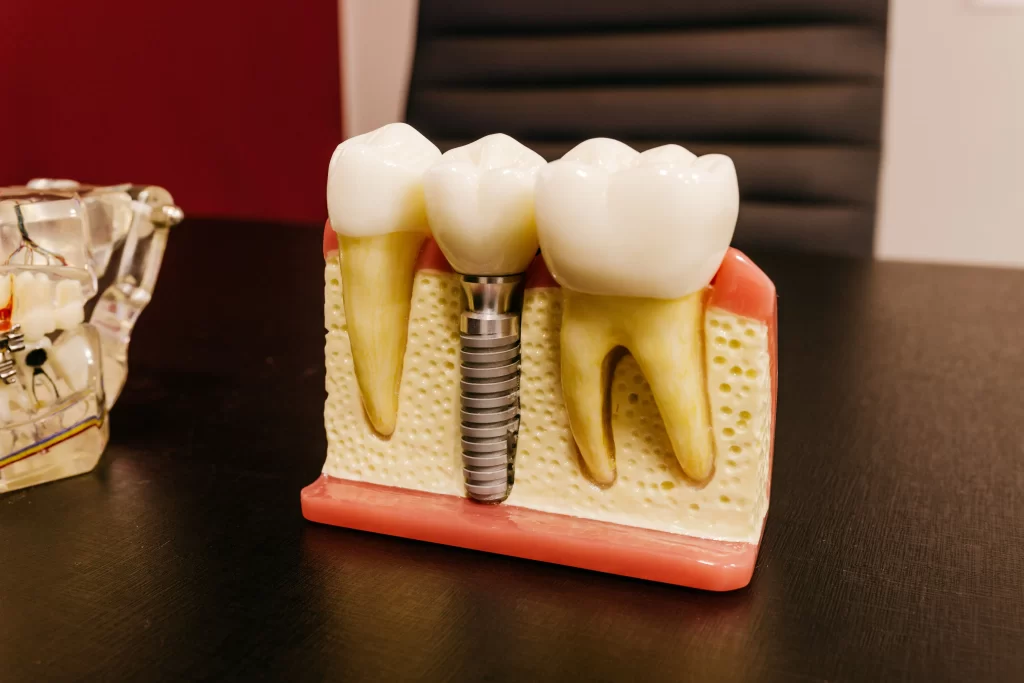
Dental implant healing is not just about the gum closing over the surgical site. A major part of the process is osseointegration, where bone grows around the implant surface and helps hold it in place.
Healthdirect explains that, over about three months, bone grows around the implant to help secure it before the crown, bridge, or denture is attached. Their dental implant procedure guidance gives a helpful overview of how implant treatment is usually staged.
Some people may move through the stages smoothly. Others may need extra healing time, especially if bone grafting, gum treatment, multiple implants, or a temporary restoration is involved.
Dental Implant Healing Timeline at a Glance
Use this as a guide, not a personal treatment schedule. Your dentist will give advice based on your procedure, health history, bone support, and healing progress.
| Healing stage | What may happen | What it means |
| First 24 to 48 hours | Tenderness, light bleeding, swelling, rest | The surgical site is in the early healing stage |
| Days 3 to 7 | Swelling may peak, then begin to settle | Soft tissue healing is underway |
| Weeks 1 to 2 | Gum comfort may improve | The area may feel better, but deeper healing continues |
| Weeks 2 to 6 | Early tissue healing continues | Bite pressure and cleaning still need care |
| Months 2 to 6 | Bone integration continues | Timing depends on individual healing factors |
| Final restoration stage | A crown, bridge, or other restoration may be attached | Only when the implant is ready for loading |
A Cochrane review available through PubMed notes that dental implants have traditionally been kept load-free for several months to allow osseointegration before restoration. You can read more about different loading times for dental implants.
What we may monitor during reviews
At review appointments, we may check gum healing, swelling, tenderness, cleaning around the implant site, bite pressure, and whether the area appears ready for the next stage of treatment.
This is why implant timelines should not be judged by the calendar alone. Healing progress matters more than a fixed date.
The First 48 Hours: Protecting the Surgical Site
The first two days are about keeping the area calm.
You may notice mild bleeding, swelling, tenderness, or bruising. These can be part of early healing, but your dentist should explain what is expected for your specific procedure.
During this stage, you may be advised to:
- rest and avoid strenuous activity
- eat soft foods
- avoid disturbing the implant site
- take medication only as prescribed or advised
- avoid smoking or vaping
- follow any mouth rinse instructions
- contact the practice if bleeding, pain, or swelling seem unusual
Hard chewing can usually wait until your dentist clears you. The implant site needs peace, not a full dress rehearsal for steak night.
The First Week: Swelling, Cleaning and Soft Foods
Swelling can become more noticeable before it improves. For many patients, the first week is when the mouth starts to feel more manageable.
Your dentist may recommend soft foods during this stage. You may also need to clean carefully around the surgical area without brushing directly over it too soon. Your dentist will explain how to keep the area clean without disrupting healing.
Contact your dentist if you notice:
- pain that is getting worse rather than improving
- swelling that keeps increasing
- bleeding that does not settle
- pus, fever, or a bad taste
- numbness that does not improve
- the implant area feels loose
These symptoms do not automatically mean the implant has failed, but they do need professional review.
Weeks 1 to 2: The Gum May Feel Calmer
By the end of the first or second week, the gum may feel much more comfortable. This is a good sign, but it does not mean the implant has fully healed.
Surface healing and bone healing are different. The gum can look settled while the bone is still integrating around the implant below the surface.
If stitches were used, they may dissolve on their own or need to be removed. Your dentist will guide you on when to resume brushing near the area and whether any temporary tooth or restoration needs special care.
Weeks 2 to 6: Getting Back to Routine Carefully
After the early healing phase, many patients feel close to normal. This is where it becomes easy to do too much too soon.
Your dentist may review the area to check comfort, gum healing, cleaning, bite pressure, and whether the implant site is progressing as expected. If you have a temporary restoration, you may be advised to avoid chewing hard foods directly on it.
Good home care matters here. Teeth.org.au explains that implants cannot develop decay, but the gums and bone around them can still be affected by gum disease. Their guide to looking after dental implants explains why daily care remains important.
Months 2 to 6: Bone Healing and Integration
This is where much of the important hidden healing happens.
The bone continues to heal around the implant. Your dentist will decide when the implant is ready for the next stage based on your clinical progress, not just the calendar.
Factors that may affect healing time include:
- bone quality and quantity
- gum health
- smoking or vaping
- medical history
- oral hygiene
- bite pressure or teeth grinding
- whether bone grafting was needed
- whether one implant or several implants were placed
If grafting is part of your treatment plan, the timeline may be longer. Our guide to dental bone grafts explains why bone support can matter before or during implant treatment.
When the Final Tooth Is Placed
The final tooth is usually placed only when the implant is ready to support it. This may involve attaching an abutment and then the crown, bridge, or implant-supported restoration.
This stage is the part that many patients look forward to most, but it depends on the healing that came before it. Placing the final restoration too early may place stress on an implant before it is ready.
If you are exploring implant treatment, our dental implants page explains the broader treatment pathway and when implants may be considered. It is a useful starting point before discussing your own healing timeline with us.
What Can Slow Dental Implant Healing?
Healing can be affected by both mouth-related and general health factors.
Possible factors include:
- smoking or vaping
- uncontrolled gum disease
- poor plaque control
- diabetes or other medical factors
- teeth grinding or heavy bite pressure
- infection
- not following aftercare instructions
- limited bone volume
- more complex treatment, such as grafting or multiple implants
This does not mean implants are automatically unsuitable if one of these applies. It means planning, aftercare, and follow-up appointments become even more important.
How to Support Healing at Home
Most aftercare comes down to doing the simple things consistently.
Your dentist may advise you to:
- Keep to soft foods during early healing.
- Avoid smoking or vaping while the area heals.
- Take medication only as directed.
- Clean the area carefully as instructed.
- Avoid hard or sticky foods until cleared.
- Attend review appointments.
- Ask for advice if something feels unusual.
Once the implant has healed and the final tooth is in place, long-term maintenance becomes the priority. Our guide on how to take care of implants covers the daily habits that help protect the gums and bone around an implant.
When to Call Your Dentist
Some tenderness, swelling, and bruising can be expected in the early stages. You should still contact your dentist if symptoms feel outside what you were told to expect.
Call for advice if you have:
- worsening pain after initial improvement
- swelling that keeps increasing
- bleeding that does not settle
- pus, fever, or a bad taste
- a loose-feeling implant or restoration
- numbness that does not improve
- difficulty eating, speaking, or cleaning because of discomfort
A cautious approach is simple: if something feels wrong, ask. It is better to check early than wait and hope it sorts itself out.
Healing Well After Dental Implant Treatment
No two implant healing timelines are the same. Some people move through the early stages with minimal discomfort. Others need more time, especially if bone grafting, gum concerns, or more complex treatment is involved.
What matters is that healing is monitored properly. The gum you can see and the bone you cannot see both play a role in long-term implant support.
When planning implant treatment, we look at your oral health, bone support, comfort, and long-term function. We can talk you through the expected stages, review your healing, and discuss when the next step may be appropriate.
To take the next step, contact our practice to arrange a consultation and discuss whether dental implants may be suitable for you.
This article is general information only and does not replace personalised dental advice. Any surgical or invasive procedure carries risks, and suitability can only be assessed after an individual consultation. If you have severe pain, ongoing bleeding, worsening swelling, signs of infection, medical concerns, or questions about your own healing, speak with a dentist promptly.